

7°C
The route begins in the coastal town of Georgioupolis. Built in an area with an abundance of water and greenery, it boasts perhaps the largest beach in Crete. Enjoy swimming or various sports activities. If you want to explore nature, you can find a horse at the local riding center for a short ride.
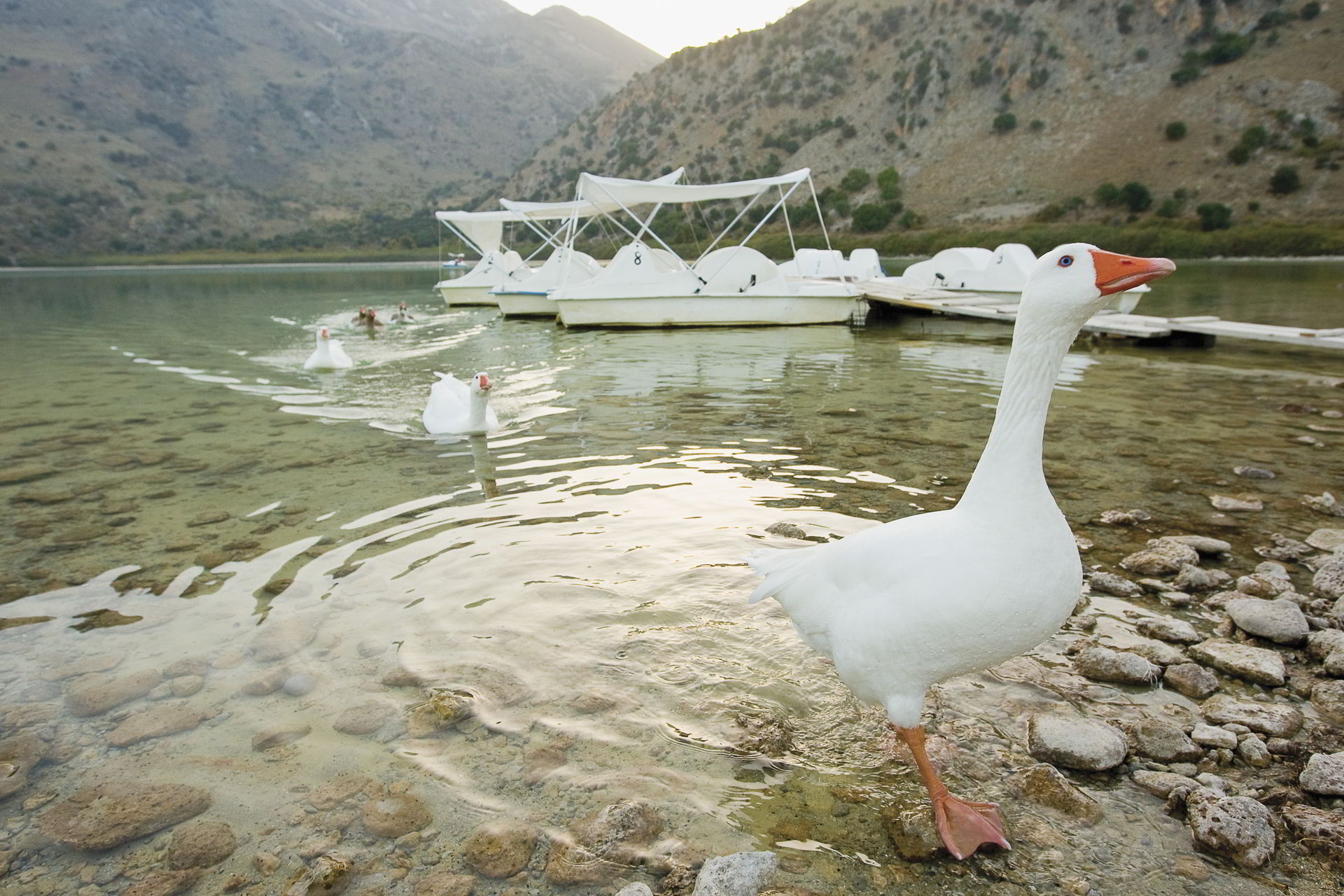
From there, head south, cross the bridge on the national road, and you will soon arrive in the village of Kournas. We recommend stopping there. Walk down to the lake, the only natural lake in Crete, which is well worth a visit. There, you can rent pedal boats. If you want to enjoy the enchanting landscape from above, take a paragliding flight from the paragliding track in the area.
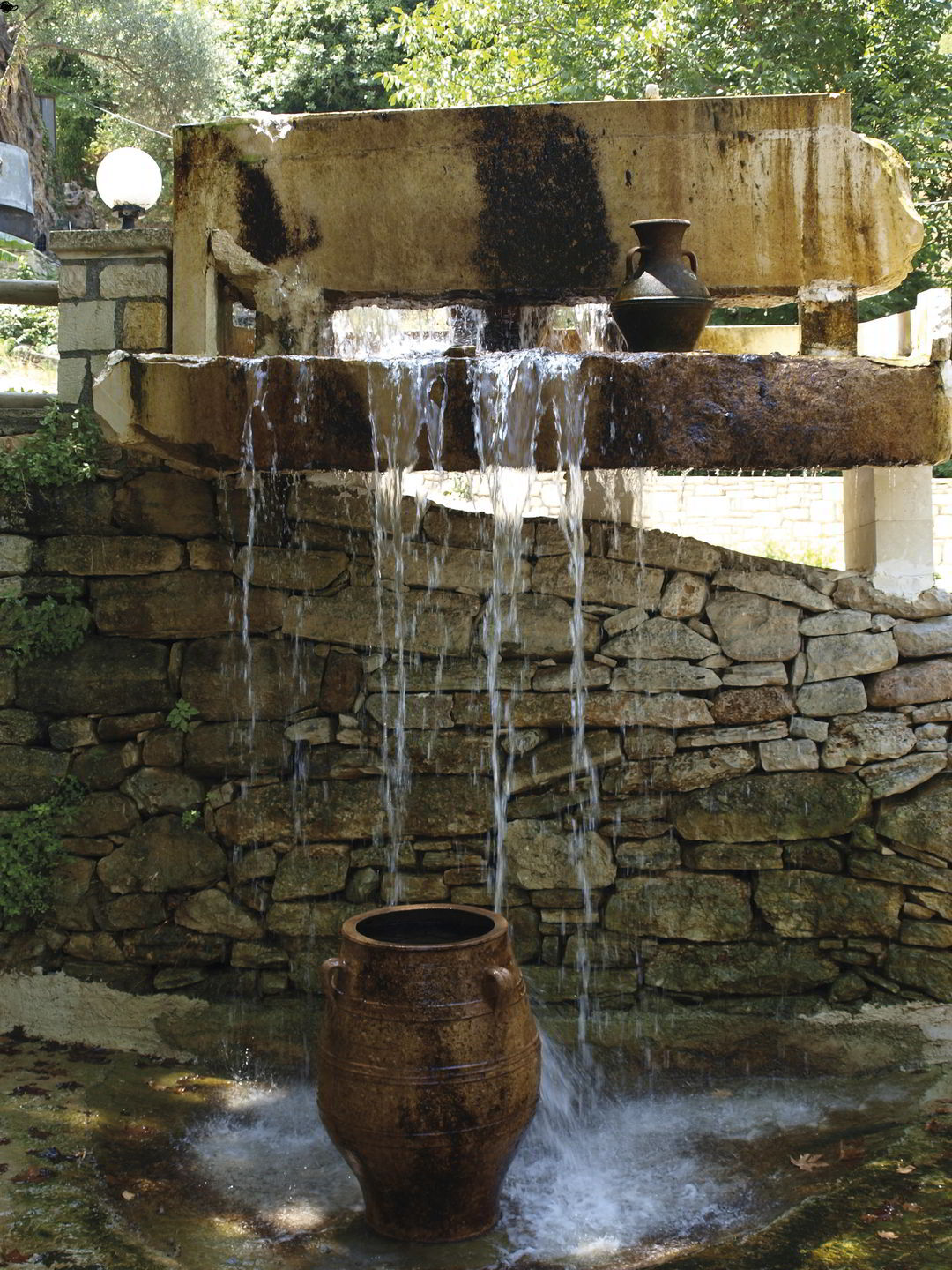
Leave Kournas behind and take the provincial road to Episkopi. Pass the village of Fylaki, then continue south toward Argyroupoli. This village has abundant water and unique natural beauty, as well as traces of ancient and more recent civilizations. Look for the area with the springs of Agia Dynamis, a lush place where water flows from every direction. In the past, there were many watermills for grinding grain and oil fruits, but only one remains today. Further on, you will find the springs of the Petres River in an impressive landscape with centuries-old plane trees.
Not to be missed are the ancient necropolis, the Roman mosaic, and a centuries-old tree. Be sure to visit the remarkable churches in the village, and finally, stop at the Folk Art Museum to admire exhibits such as tools, weapons, and handicrafts.
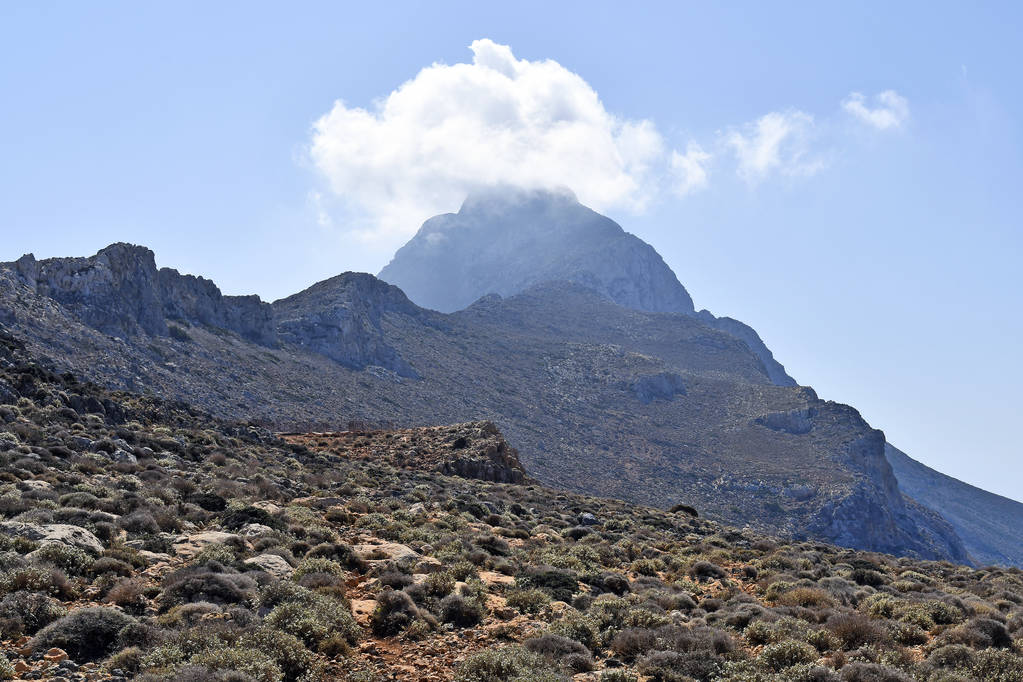
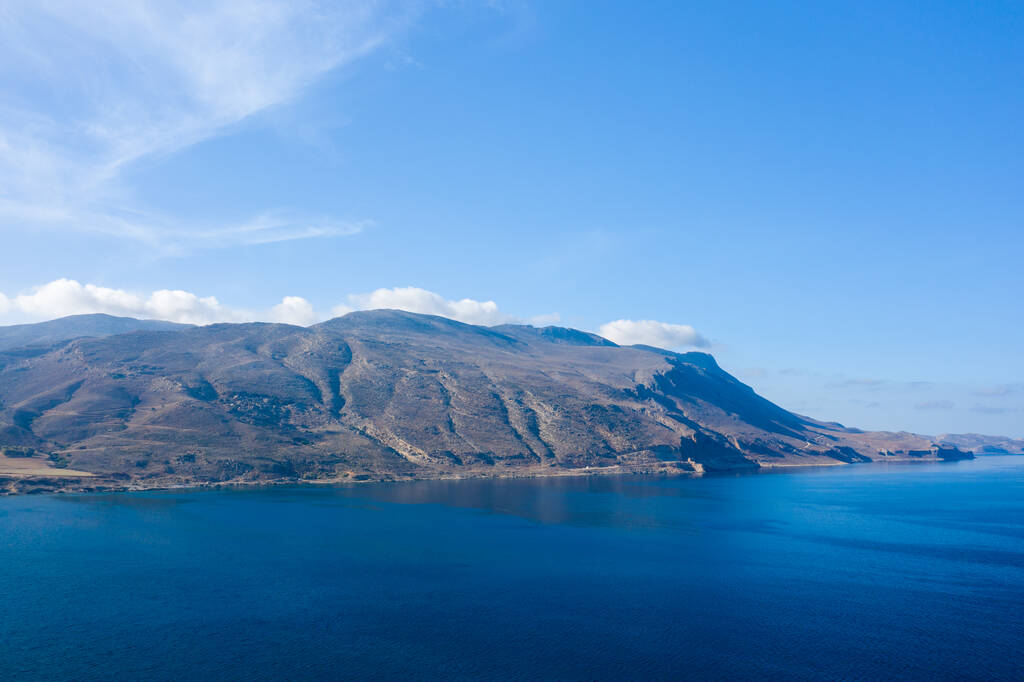
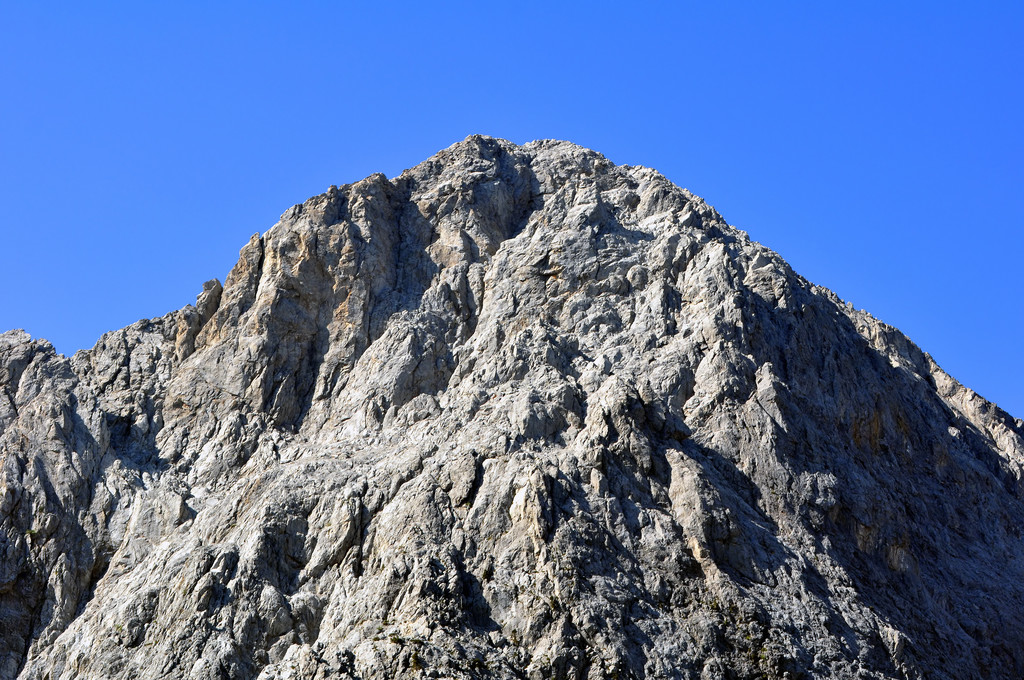
Continue your journey westward and uphill. After just 8 km, you will arrive in Asé Gonia, a village of livestock farmers located at the foot of the Sfakia Mountains. After leaving Asé Gonia behind, continue up the difficult but impressive uphill road. Eleven kilometers later, you will arrive in Kallikratis, a beautiful village with traditional houses that is inhabited only from May to November.
Nature lovers will enjoy the one-kilometer-long gorge of the same name just outside the village. You can walk through it. Head west from there, and you will soon see the small village of Asfendou. On a steep slope there is a cave of the same name of enormous archaeological importance. Rock carvings dating back to the end of the Paleolithic era were found there in 1960. The Asfendou Gorge is also located in the area.
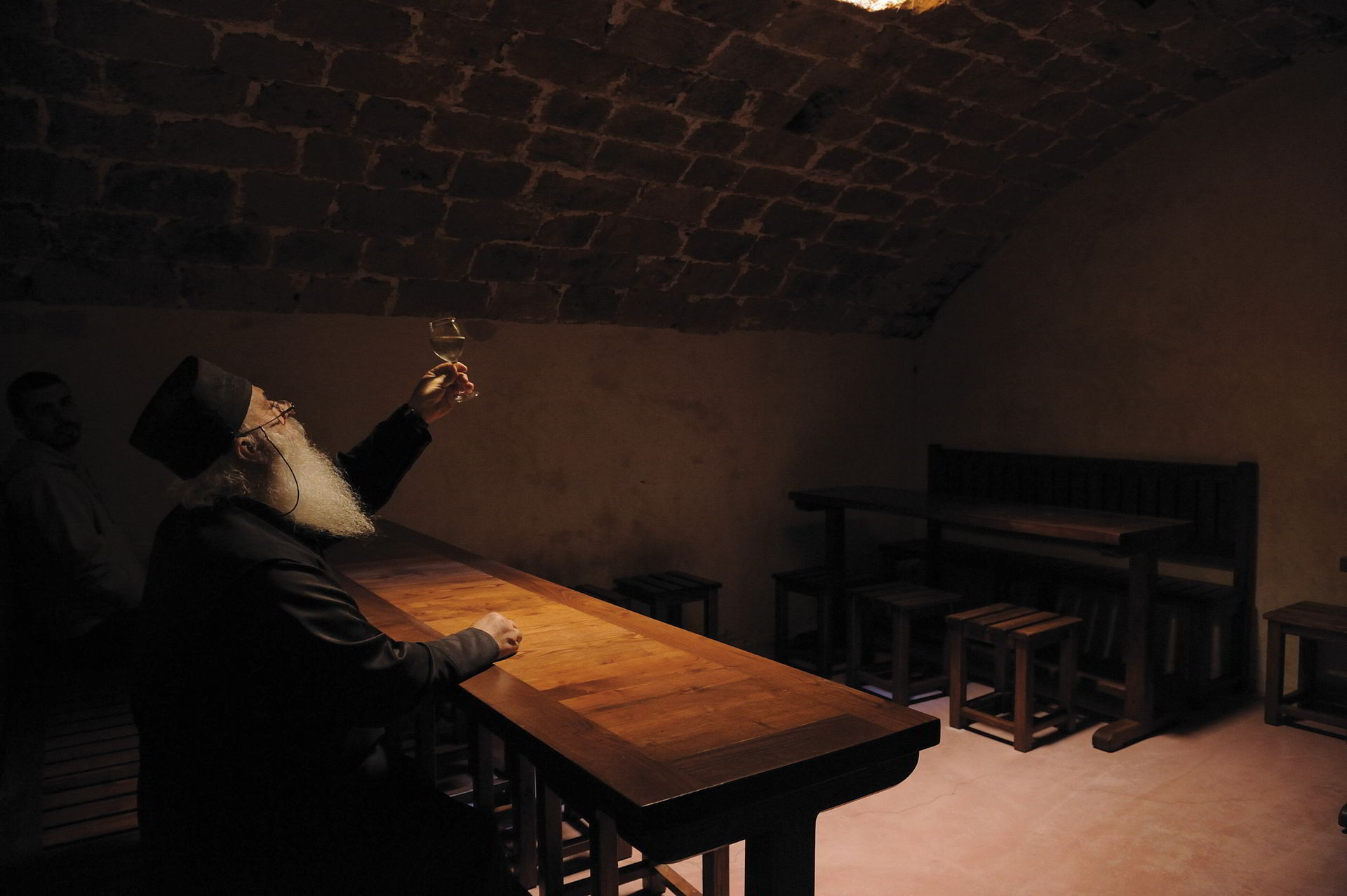
Continue your journey, descending towards Chania. Cross the village of Petres, then head north to reach Alikampos after 11 kilometers. Before entering the village, you will see an impressive winery on your left. You can visit it by appointment to taste the local wines. From Alikampos, take the Vryses-Sfakia provincial road to the beautiful, tree-filled, lush, and water-rich village of Vryses. Stop at the square with the plane trees and enjoy the scenery with the river and ducks. There are a few places to stay, and the taverns right next to the river offer delicious food.
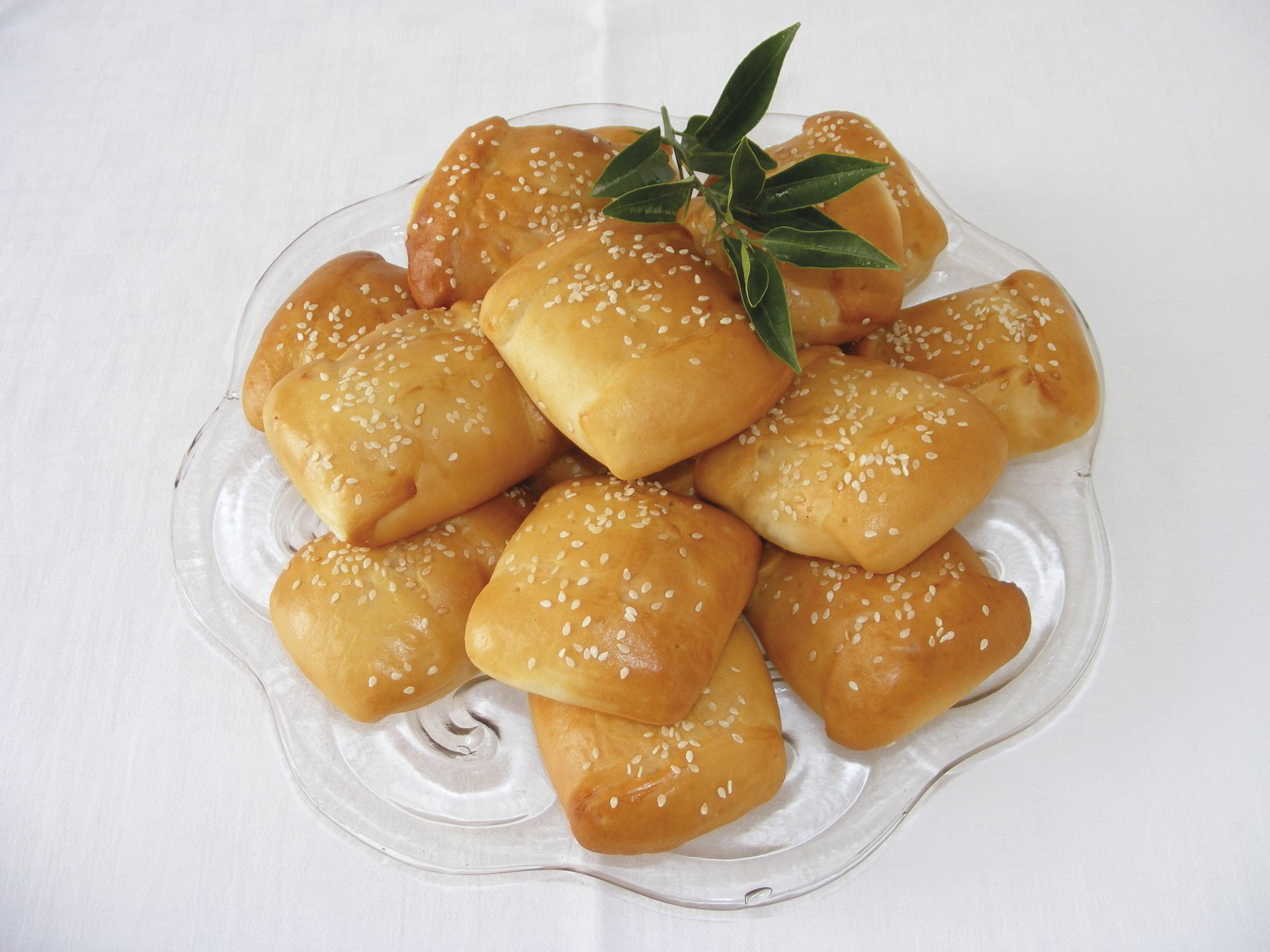
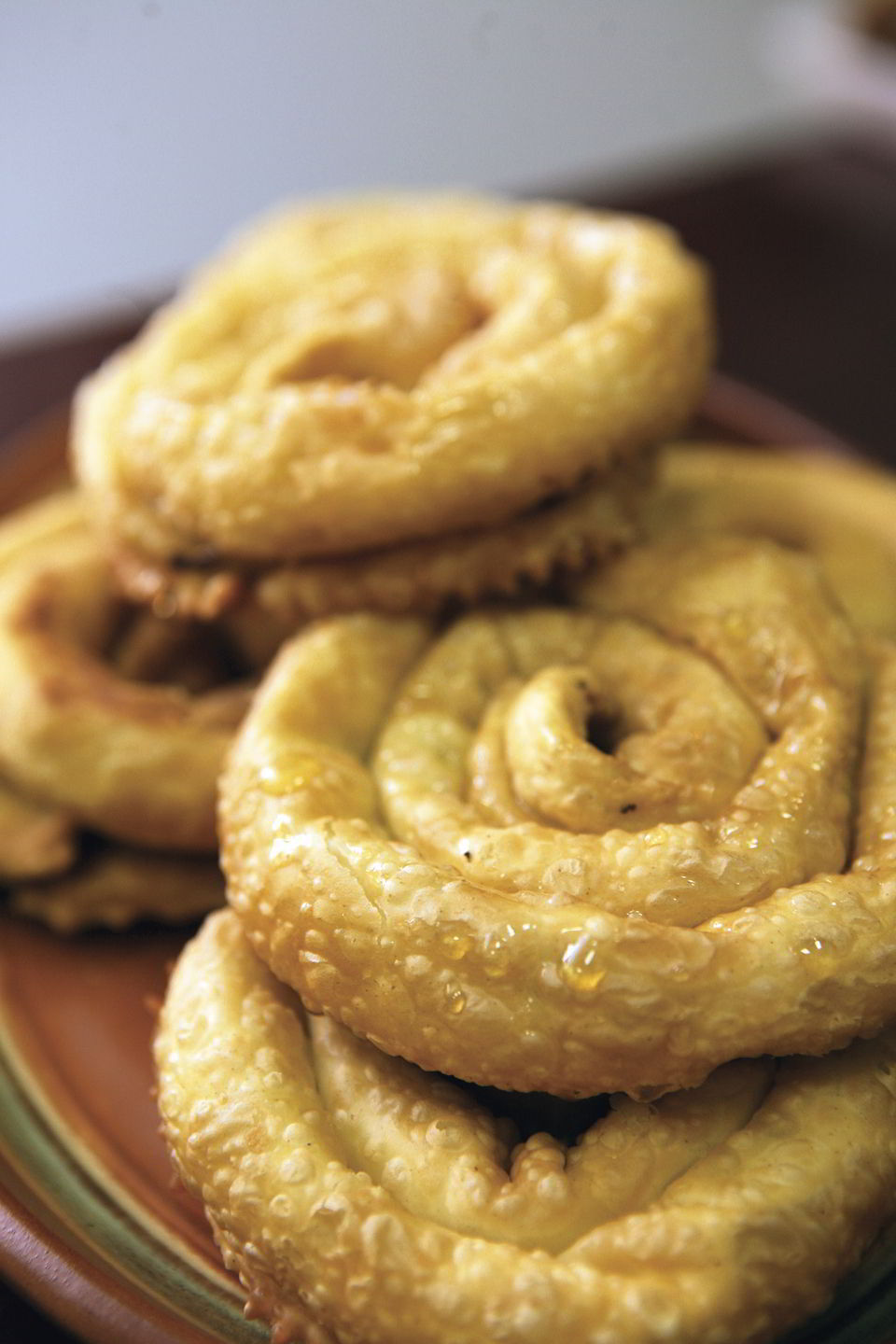
The village is famous for its dairy products. Try the local goat cheese and yogurt, perhaps the most delicious you have ever tasted. They are known throughout Crete for their distinctive flavor. Vryses is also the best place to try a traditional Western Cretan dish: Sfakian pies with cheese and honey. Heading east, you will arrive back in Georgioupolis in about ten minutes, where this impressive route began.
For the Rural Greece accessibility is fundamental to enhancing an inclusive tourism experience. Following the principles of inclusion and equality, the epaithros Rural Tourism Network and its member businesses are constantly working to enhance the tourism services provided, ensuring that all visitors have the opportunity to experience the authentic beauty of the Greek countryside.
Sustainability in tourism refers to a way of developing tourism that respects and protects the environment while strengthening the local economy and preserving cultural traditions. The aim of sustainable tourism is to provide unique and authentic experiences for visitors without harming the natural and social environment, while ensuring that local communities benefit from tourism activity.
This type of tourism is based on three pillars:
With sustainable tourism, visitors can have authentic experiences, knowing that the impact of tourism on the region is positive and lasting for future generations.
For Rural Greece, localism is one of the most important factors for the development of sustainable tourism, as it promotes a strong link between the tourism product and the local society, economy and culture. Through localism, visitors get the opportunity to explore authentic elements of the destination, such as local products, traditions and culture. This not only boosts the local economy, but also helps to sustain and strengthen local businesses, creating new jobs and supporting the development of local communities.
Furthermore, localism contributes to the sustainability of the tourism sector, as it reduces the use of resources from other regions and encourages the use of local goods and services, reducing the ecological footprint of tourism activities. Thus, integrating localism into tourism practices enhances sustainability awareness, both among visitors and local businesses, creating a more responsible and sustainable tourism destination.