







The Family Farm

Services

Tourist Packages

The Weather Now

15°C

“To love everything that has nurtured and raised you”, N. Psilakis

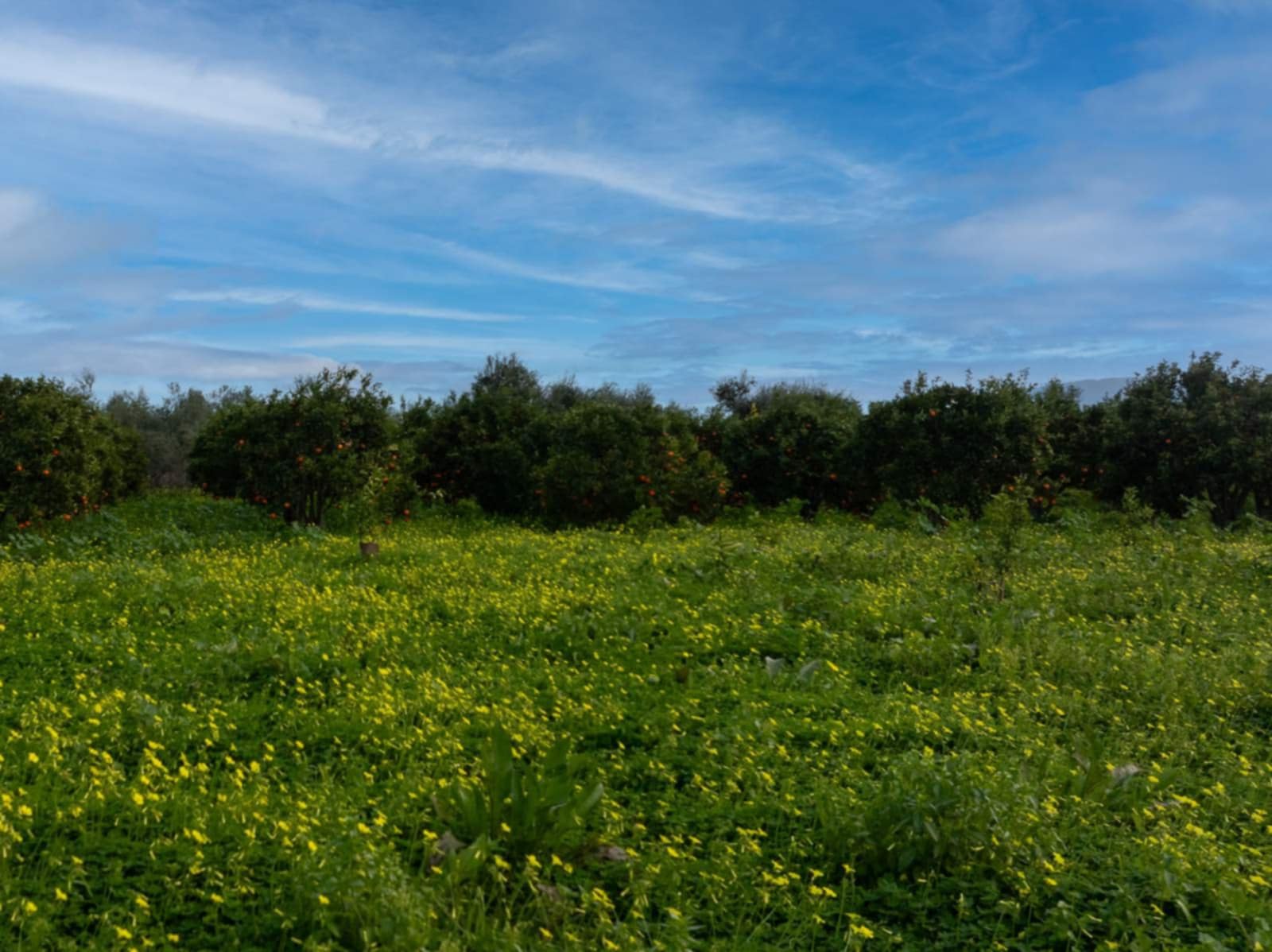
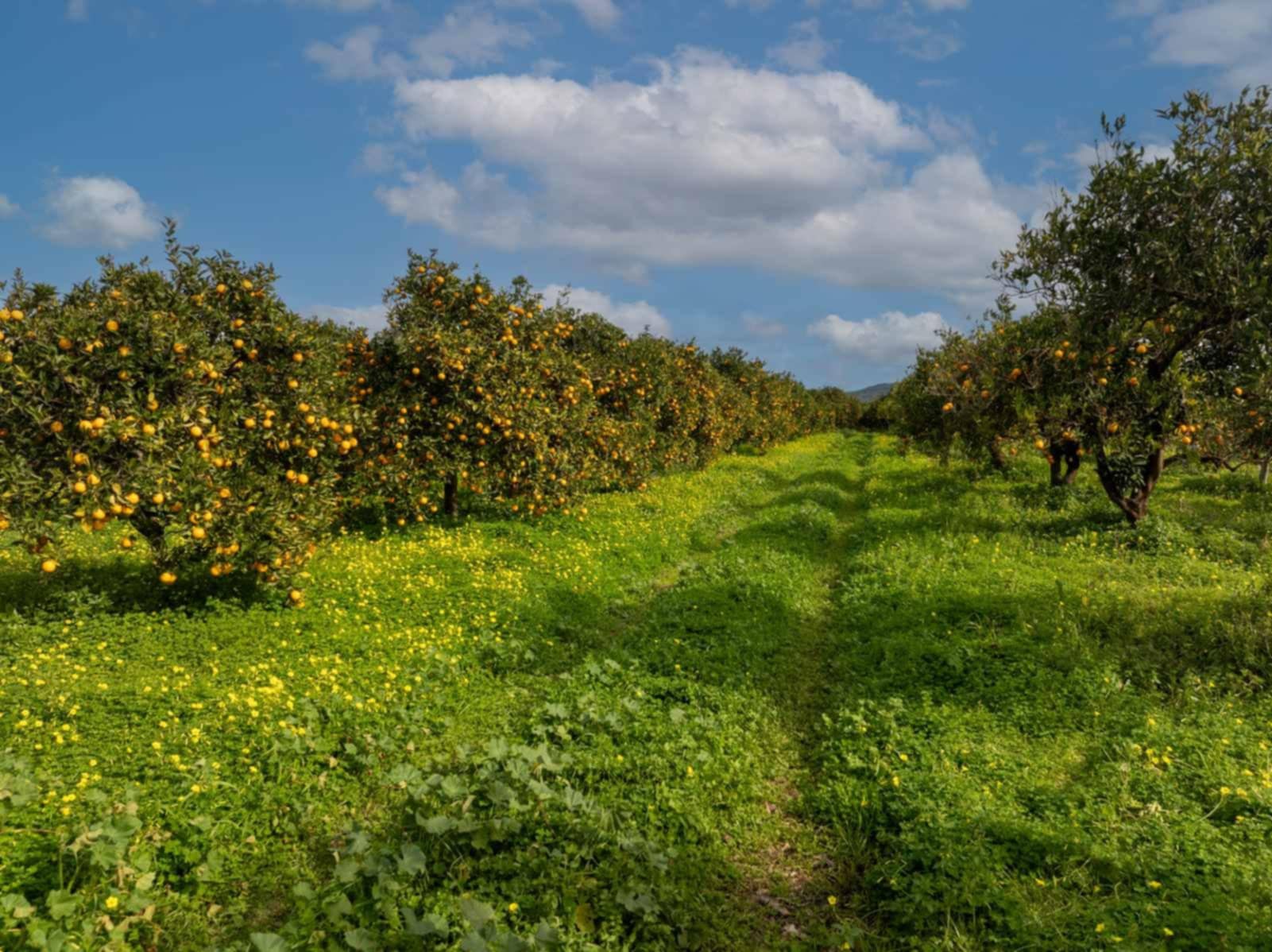
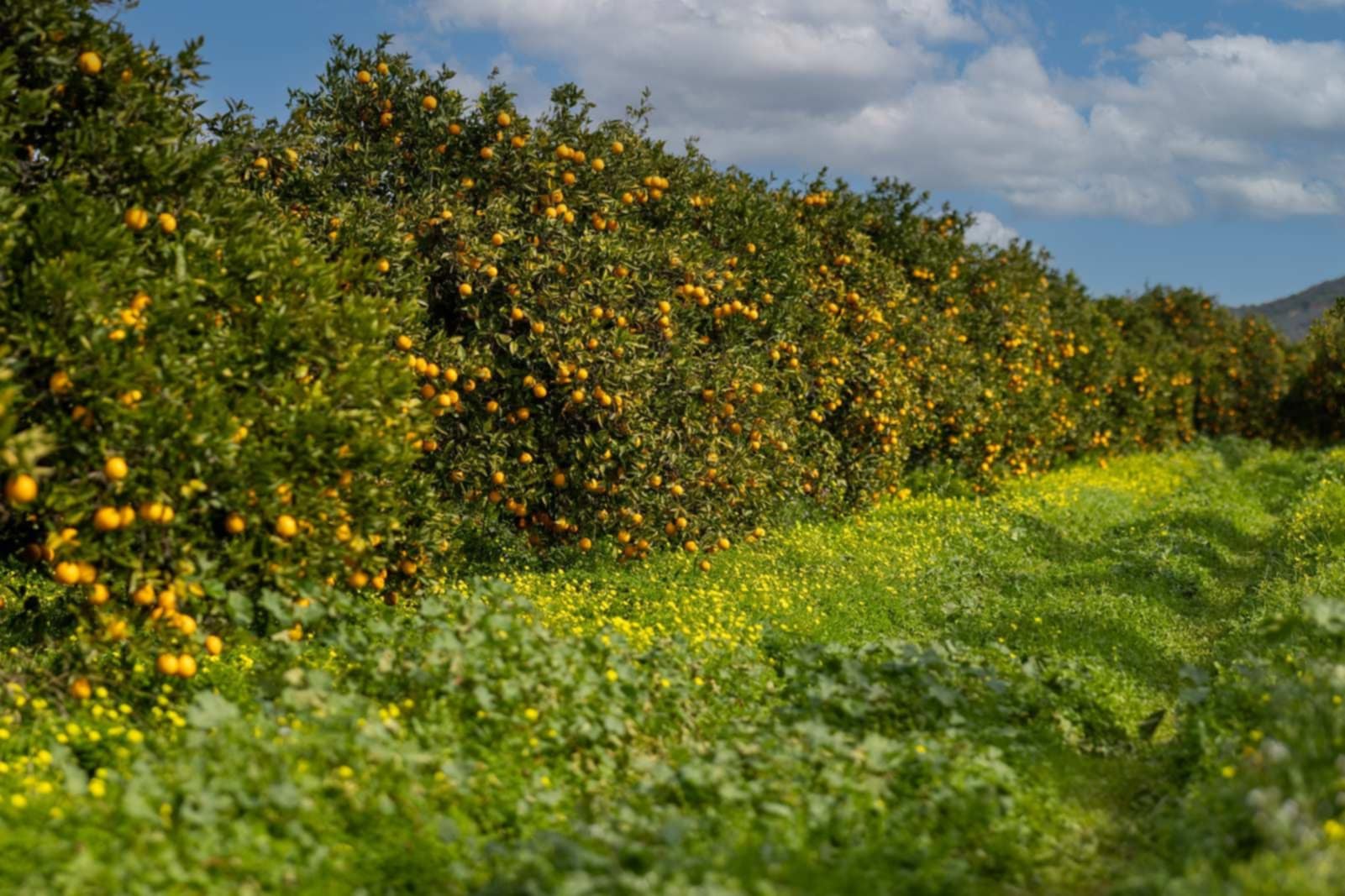
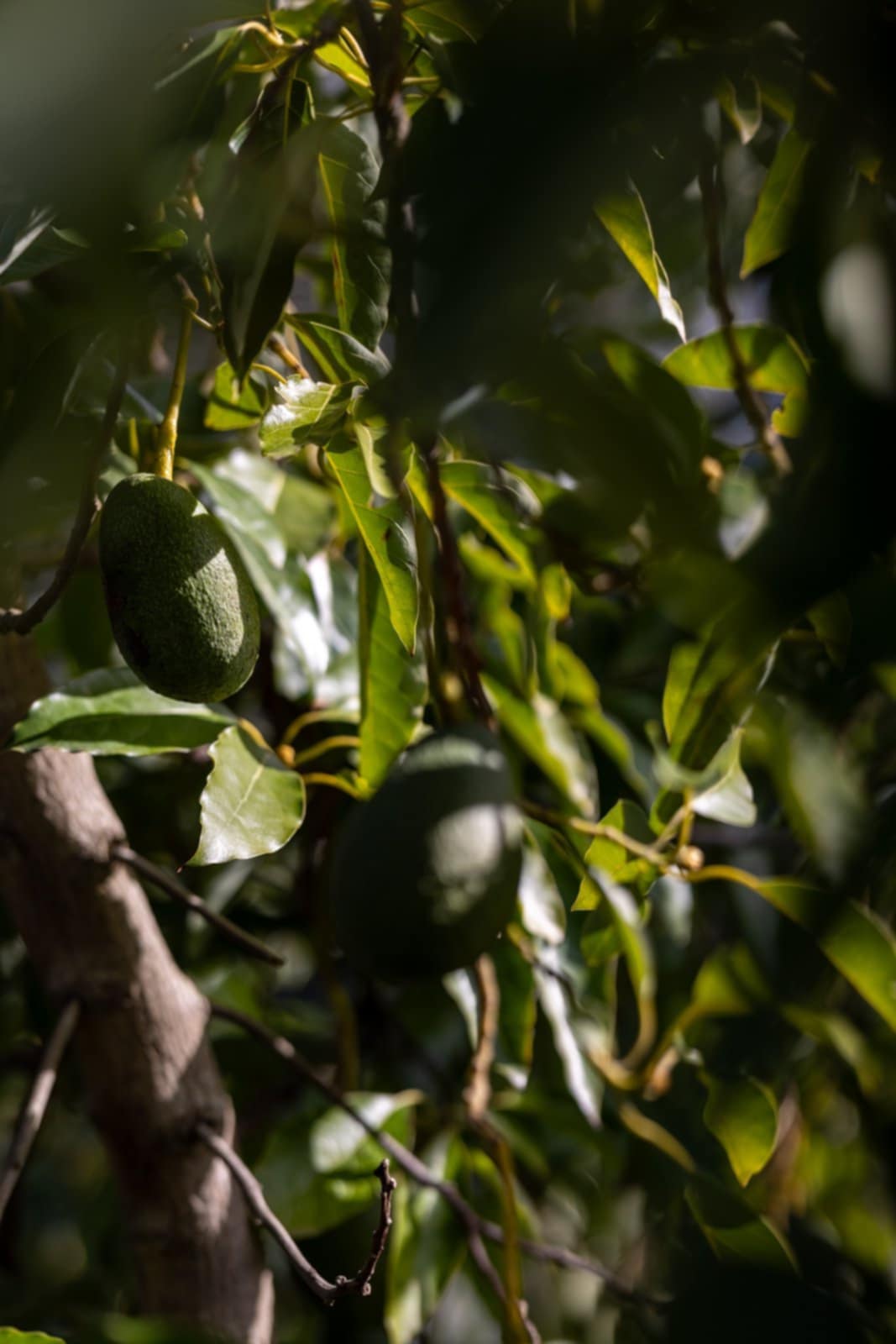
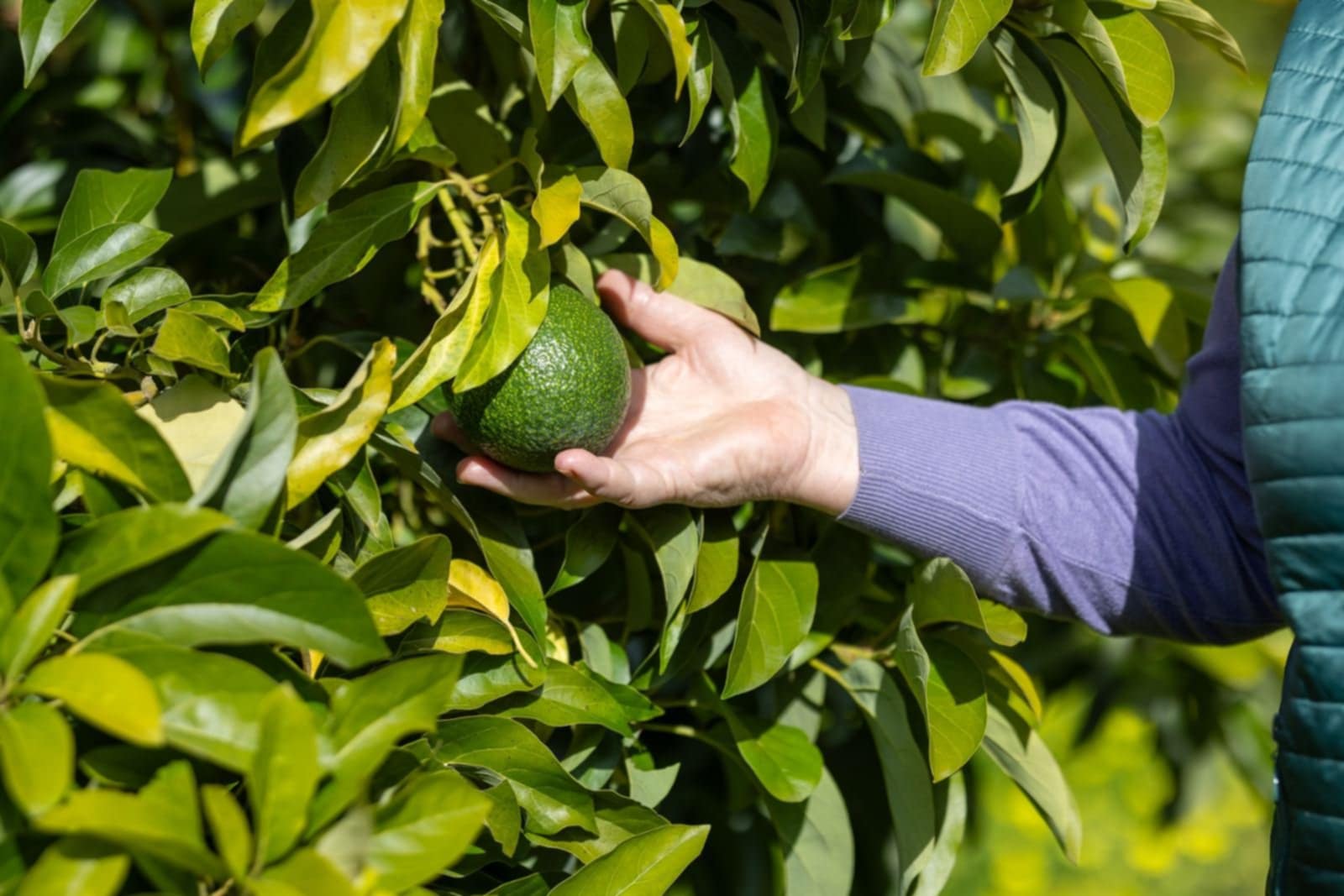
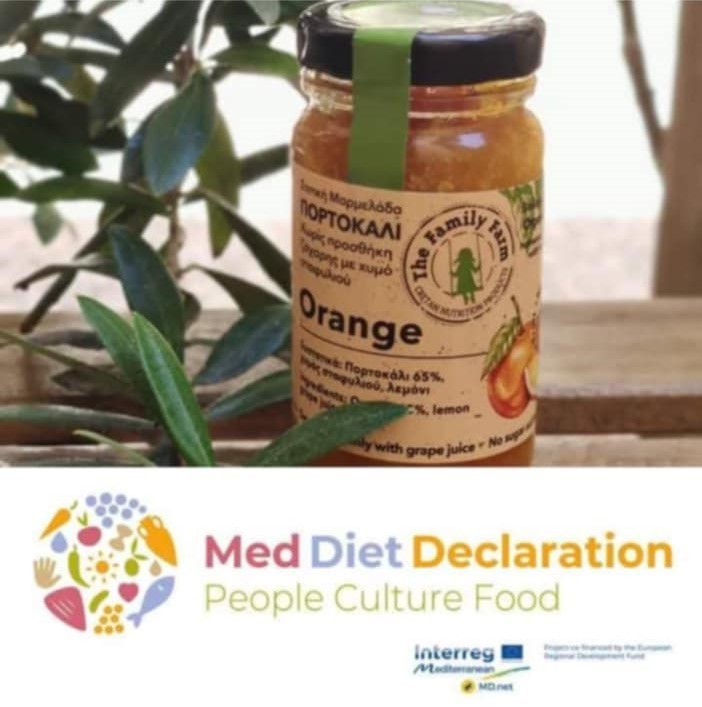
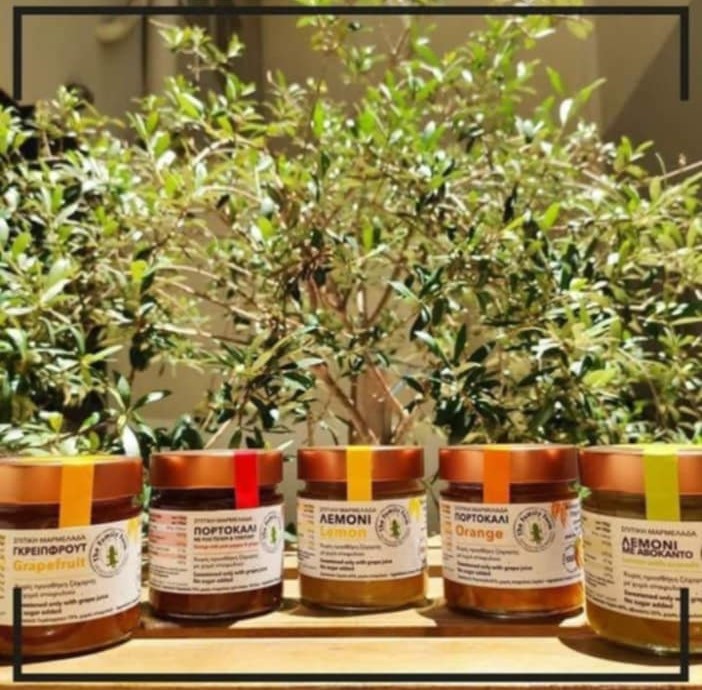
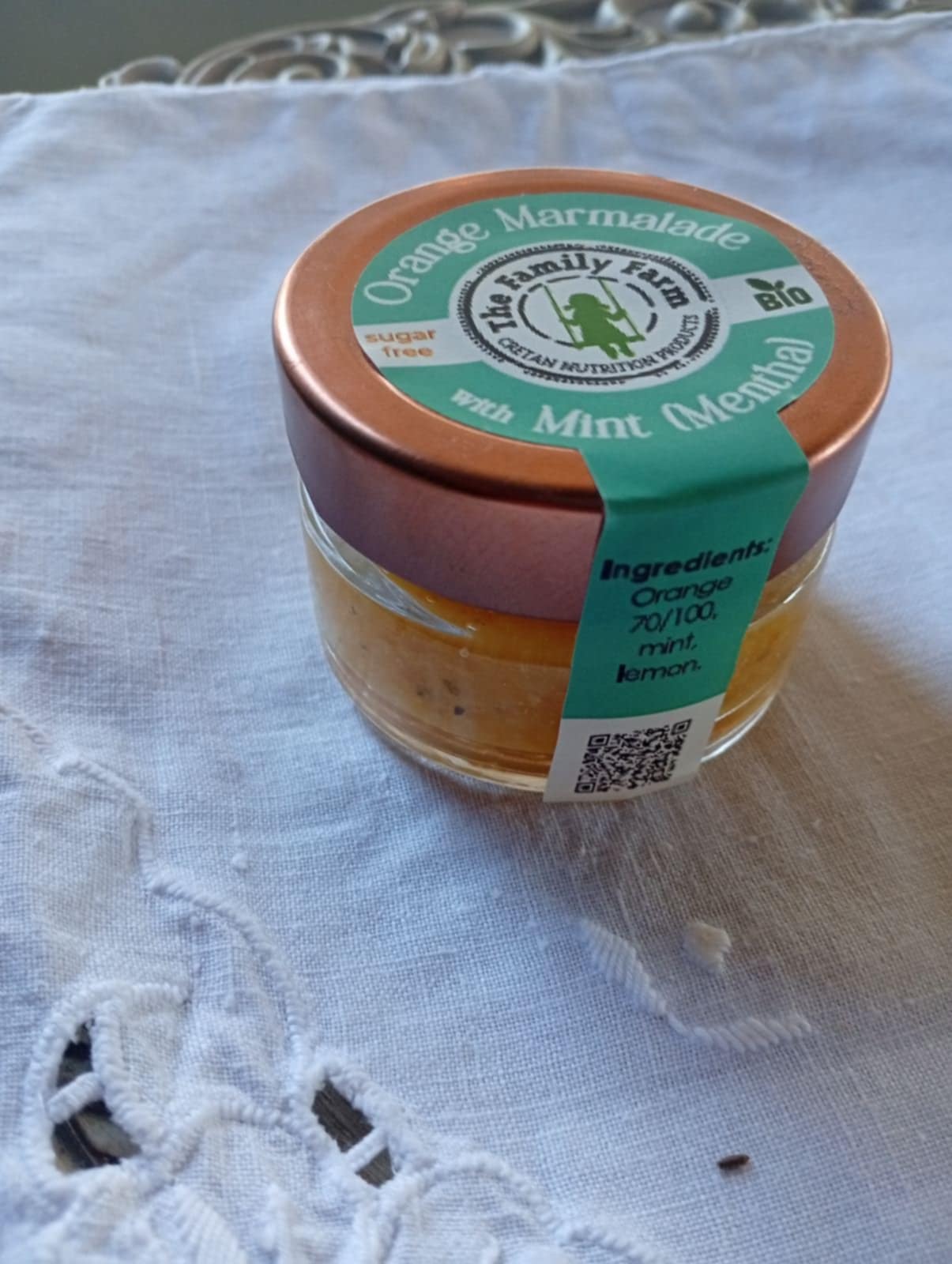
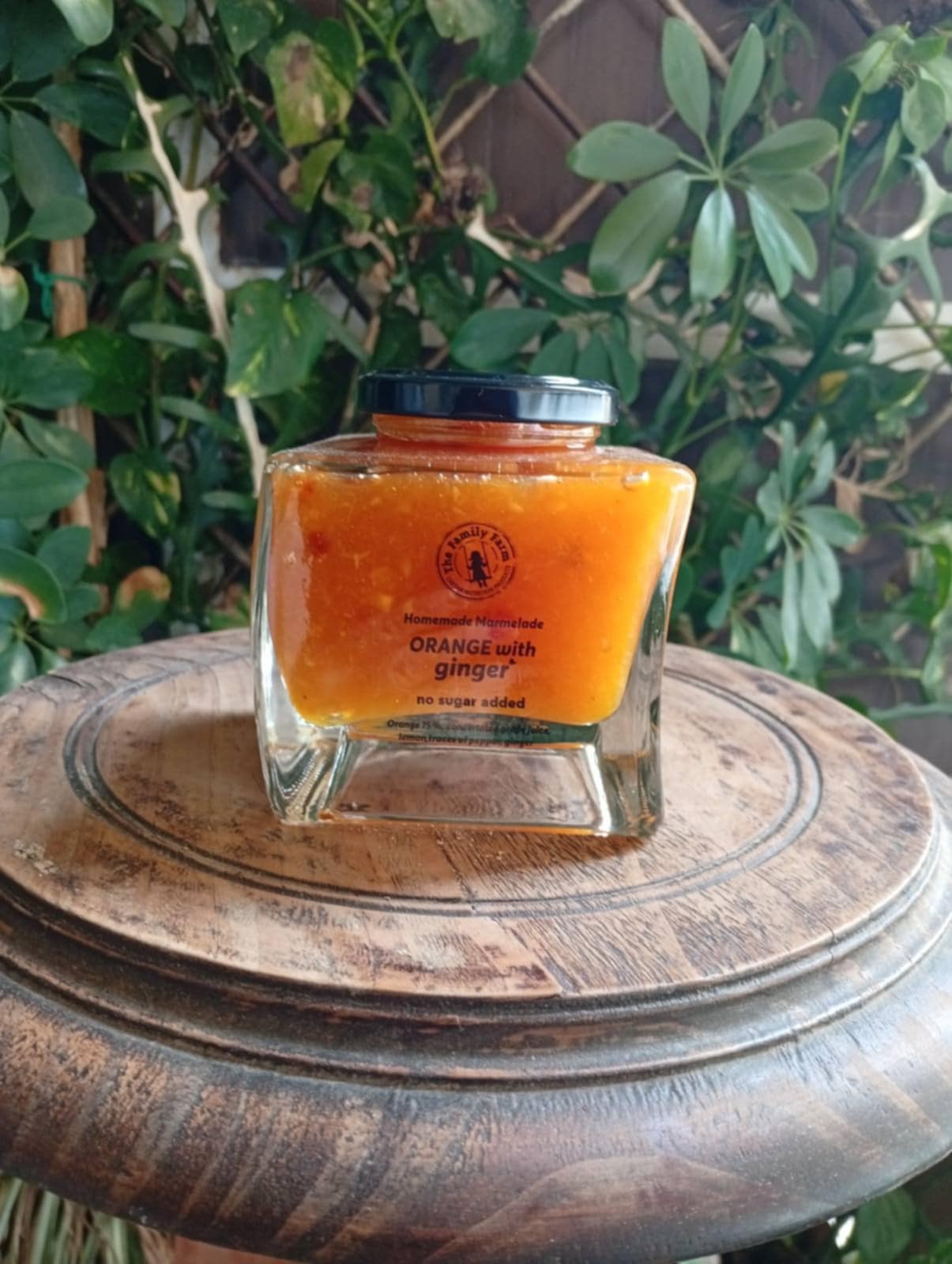
For 8 years now, I have been processing the goods of our family farm in Varipetro, creating organic, sugar-free sweets from Cretan grape juice. The idea of ​​quality food has troubled me since the time I was raising my children. I heard the value of the Cretan diet in detail and when I thought about offering my sweets to the market, I replaced the sugar with Cretan grapes.

Organic and handmade! No added sugar, made from grape juice!

My desire is to produce 100% Cretan products, respecting the environment and striving for sustainable development. The distinctions in Greece and abroad, as well as the collaborations with important bodies, have given me the strength, extroversion and joy to continue my innovative path, believing that Greece and Crete can become the boutique, organic orchard of Europe!

Zero kilometers, all of Crete!

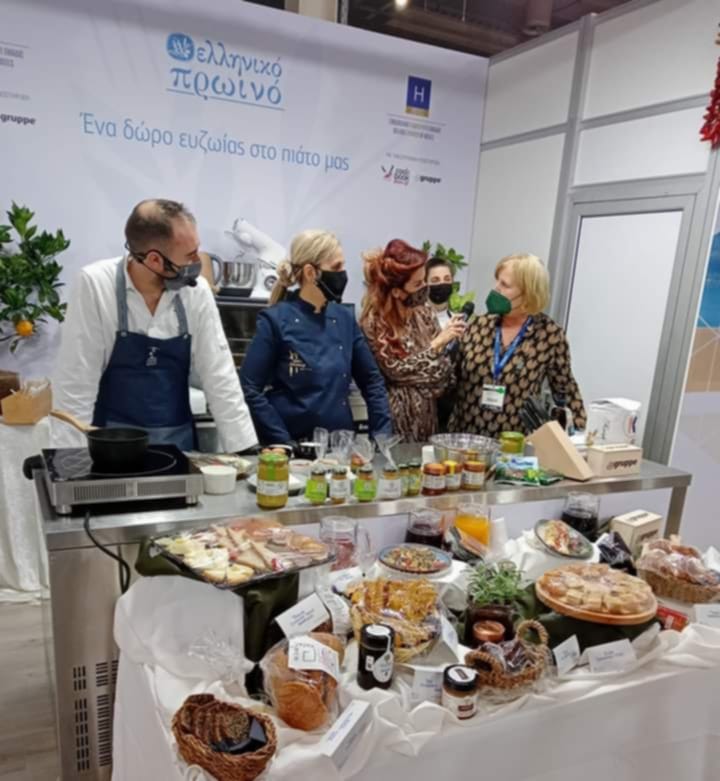
My business has been honored with significant distinctions that have highlighted the quality and innovation of my products beyond the borders of Crete. I have been featured twice in Gastronomos in 2020 and in the Agrenta magazine of Kathimerini in 2021, while publications in Olive Magazine and Total Business in 2024 further strengthened the extroversion of my work. The Region of Crete honored me with the Innovagro transnational innovation award, as well as the Mediterranean Nutrition Label, while I had the honor of representing Crete at the international archaeological tourism exhibition in Posidonia, Italy. Another significant distinction was the awarding of my products at the world citrus marmalade competition in England, as well as the promotion of sweet orange in National Geographic UK, through the collaboration with the Attica Chefs Club.

My products are available upon request/after contacting me.

Business Information

Relevant Routes and Trails

Environmental Indicators

CHOOSE DESTINATION

Accessibility

For the Rural Greece accessibility is fundamental to enhancing an inclusive tourism experience. Following the principles of inclusion and equality, the epaithros Rural Tourism Network and its member businesses are constantly working to enhance the tourism services provided, ensuring that all visitors have the opportunity to experience the authentic beauty of the Greek countryside.

Sustainability

Sustainability in tourism refers to a way of developing tourism that respects and protects the environment while strengthening the local economy and preserving cultural traditions. The aim of sustainable tourism is to provide unique and authentic experiences for visitors without harming the natural and social environment, while ensuring that local communities benefit from tourism activity.

This type of tourism is based on three pillars:

  1. Environmental sustainability: preserving the natural landscape and ecosystems, with actions to reduce pollution, energy consumption and waste.
  2. Economic sustainability: supporting local economies, strengthening small businesses and creating jobs, while respecting the region's natural resources.
  3. Social sustainability: respecting local culture and traditions, strengthening social cohesion and ensuring that tourism activities benefit the quality of life of local people.

With sustainable tourism, visitors can have authentic experiences, knowing that the impact of tourism on the region is positive and lasting for future generations.

Locality

For Rural Greece, localism is one of the most important factors for the development of sustainable tourism, as it promotes a strong link between the tourism product and the local society, economy and culture. Through localism, visitors get the opportunity to explore authentic elements of the destination, such as local products, traditions and culture. This not only boosts the local economy, but also helps to sustain and strengthen local businesses, creating new jobs and supporting the development of local communities.

Furthermore, localism contributes to the sustainability of the tourism sector, as it reduces the use of resources from other regions and encourages the use of local goods and services, reducing the ecological footprint of tourism activities. Thus, integrating localism into tourism practices enhances sustainability awareness, both among visitors and local businesses, creating a more responsible and sustainable tourism destination.