
Cooperative Community "Apo Kinou"

Services

Tourist Packages

The Weather Now

17°C

Who are we?

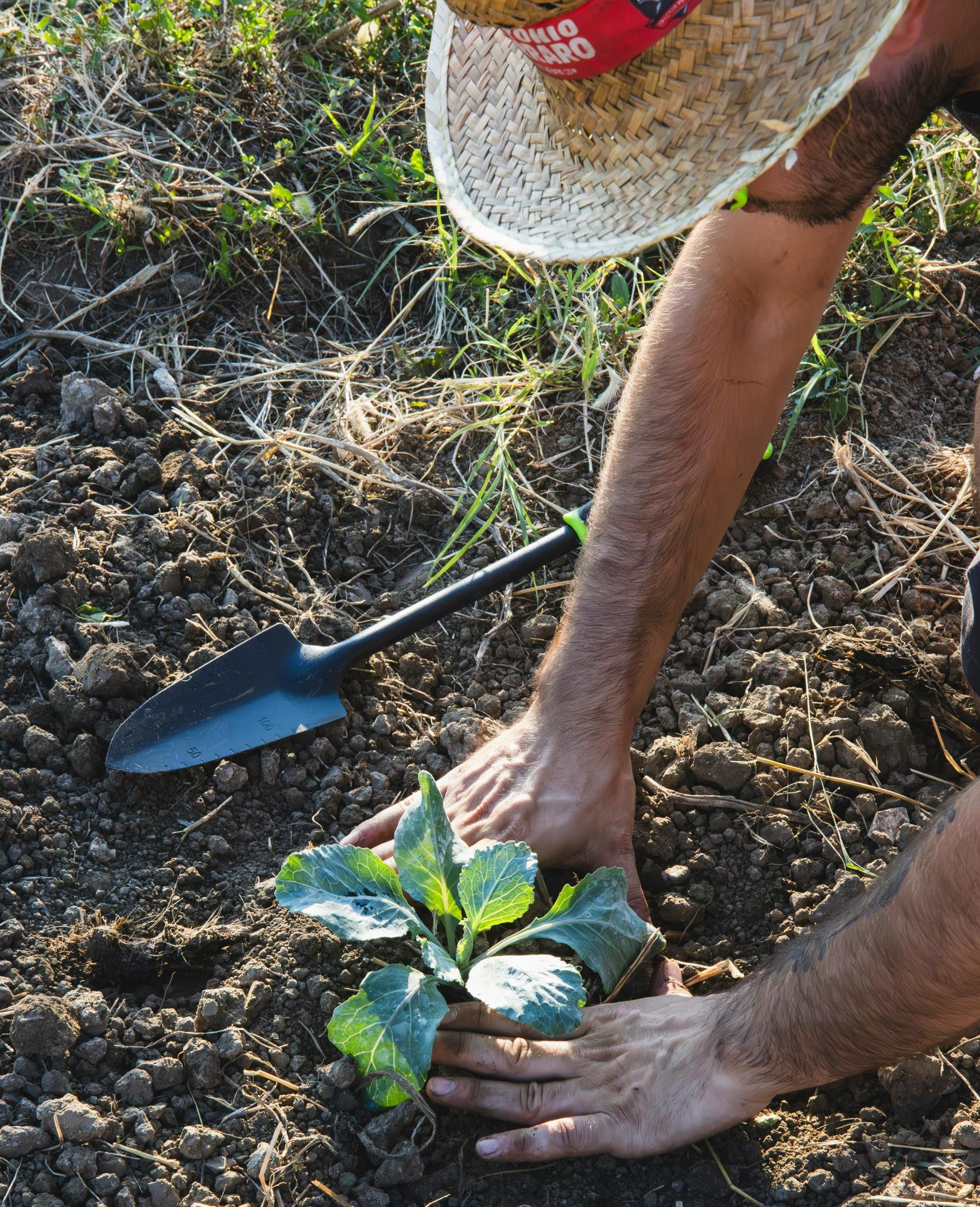
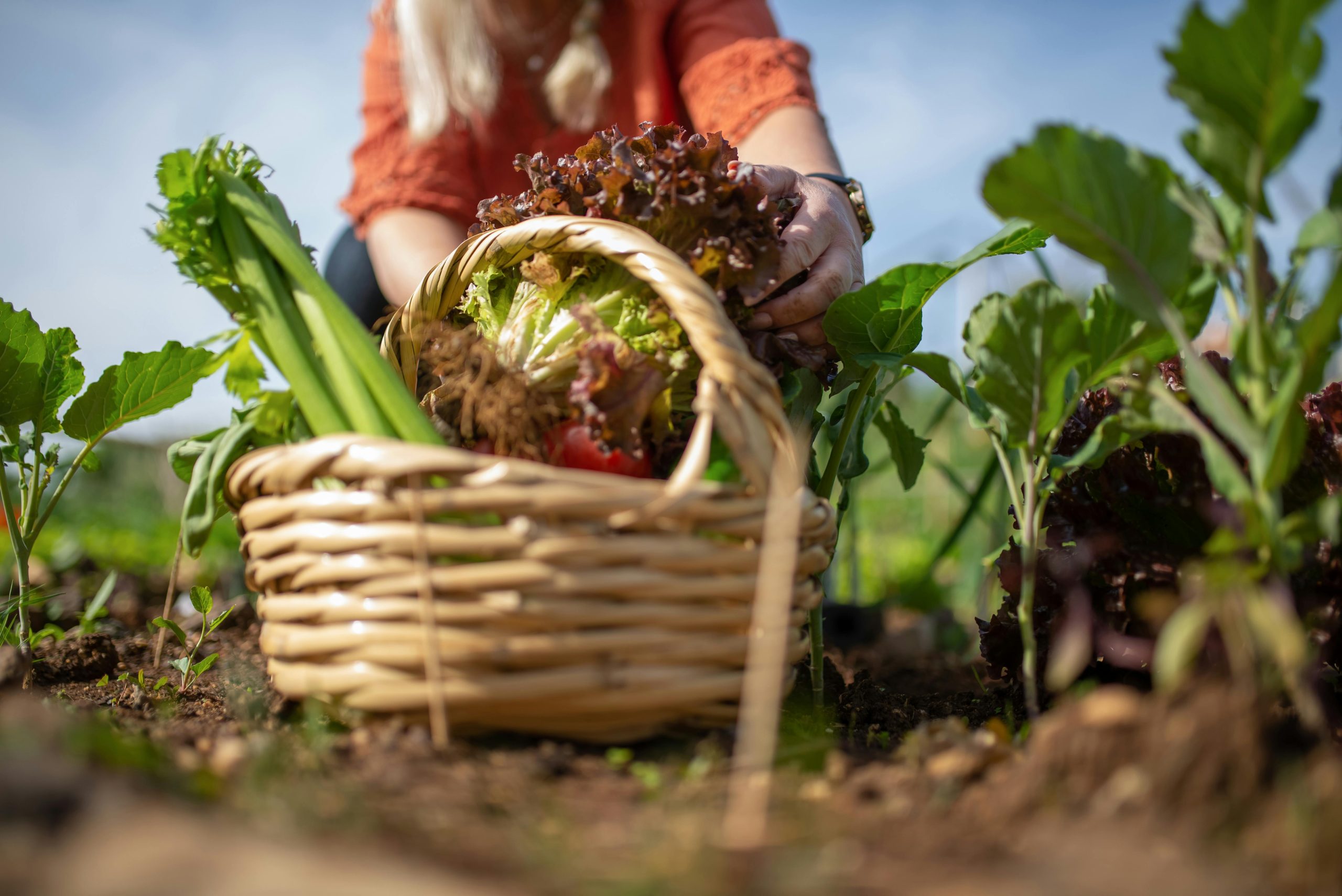
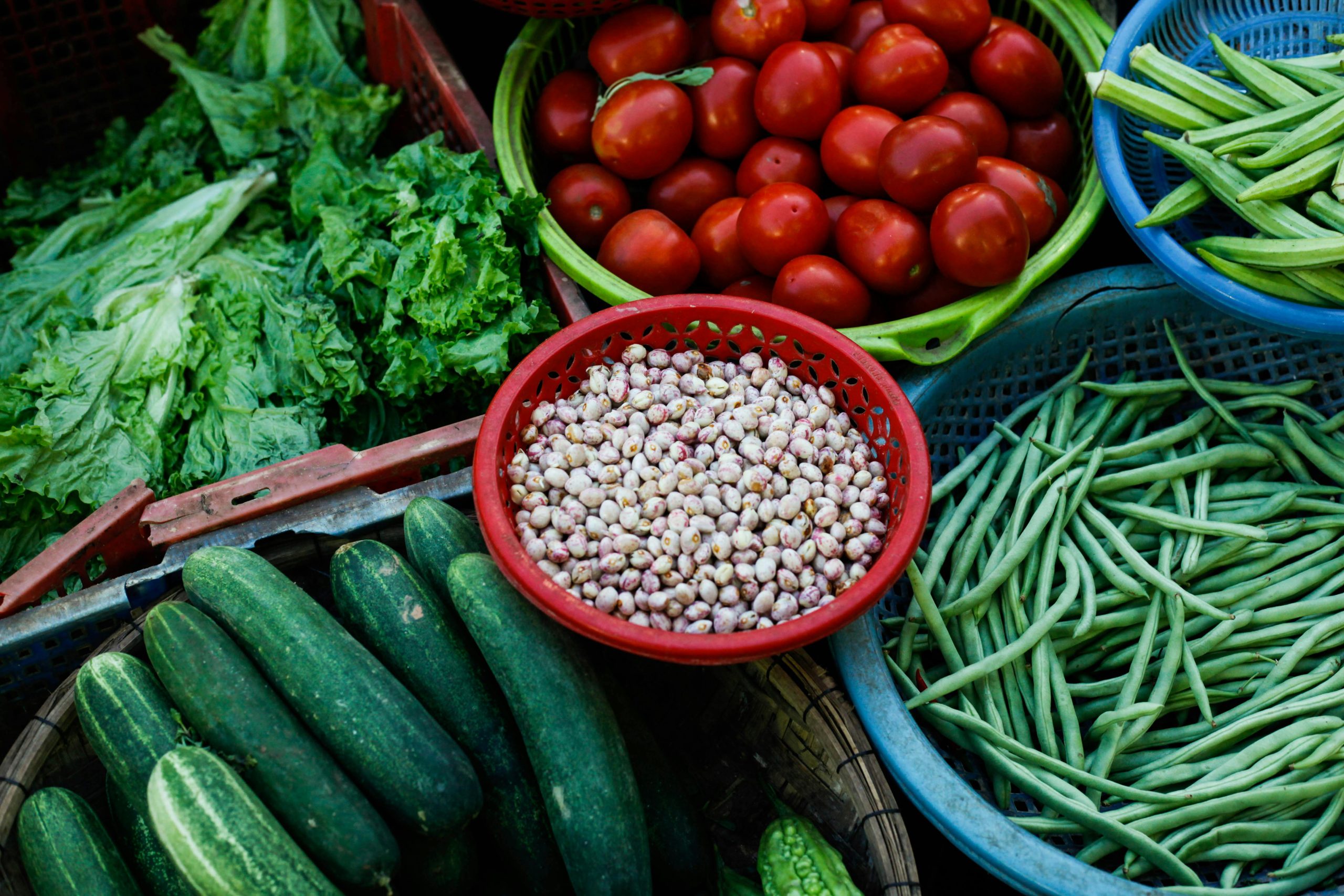
We are “Apo Koinou,” a Social Cooperative Enterprise founded in Heraklion, Crete in 2013, based on the core values of ecology, collectivity, ethical labour, and solidarity. Our goal is a self-sufficient, fair, and sustainable community, harmoniously connected with the natural environment, local traditions, and the gastronomic heritage of Crete. We cultivate our fields using entirely natural, ecological methods, relying only on traditional varieties, without chemicals or genetically modified organisms.

What do we do?

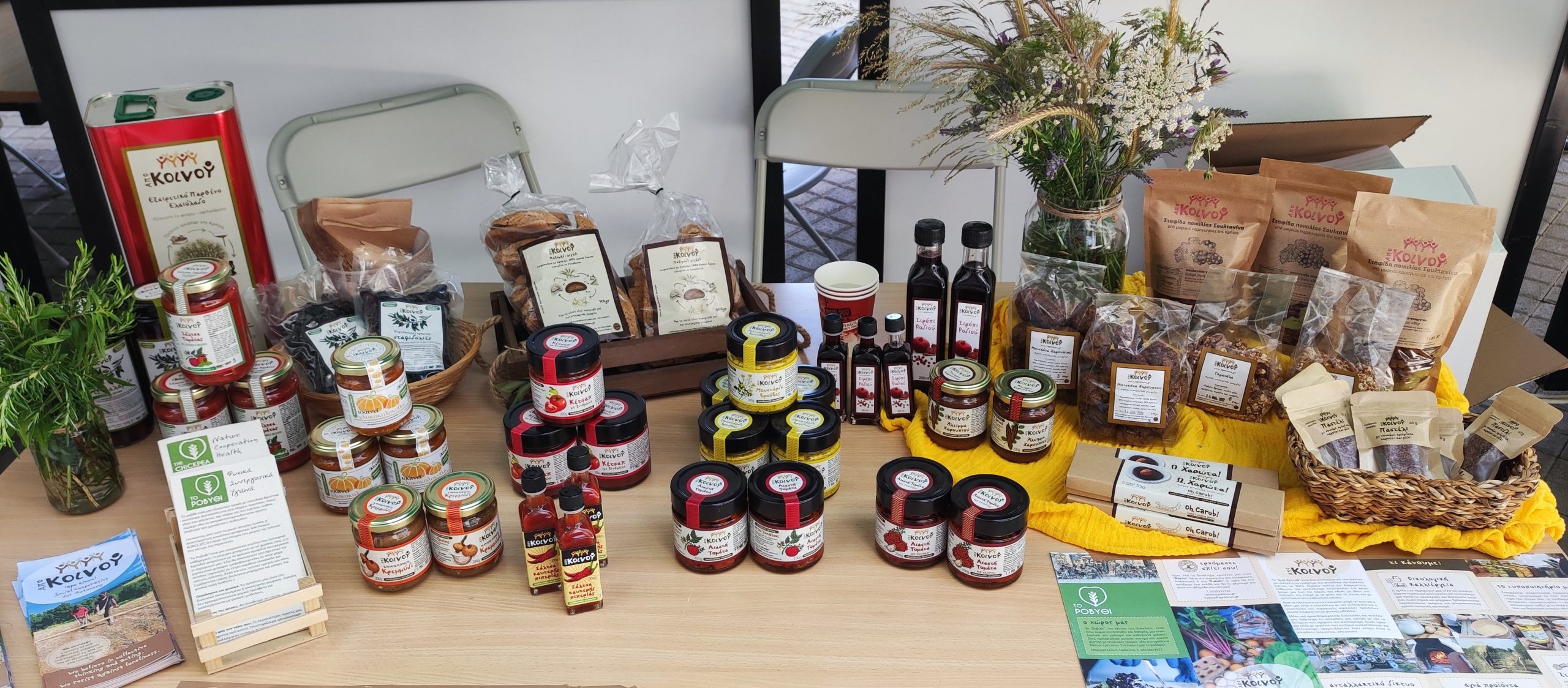
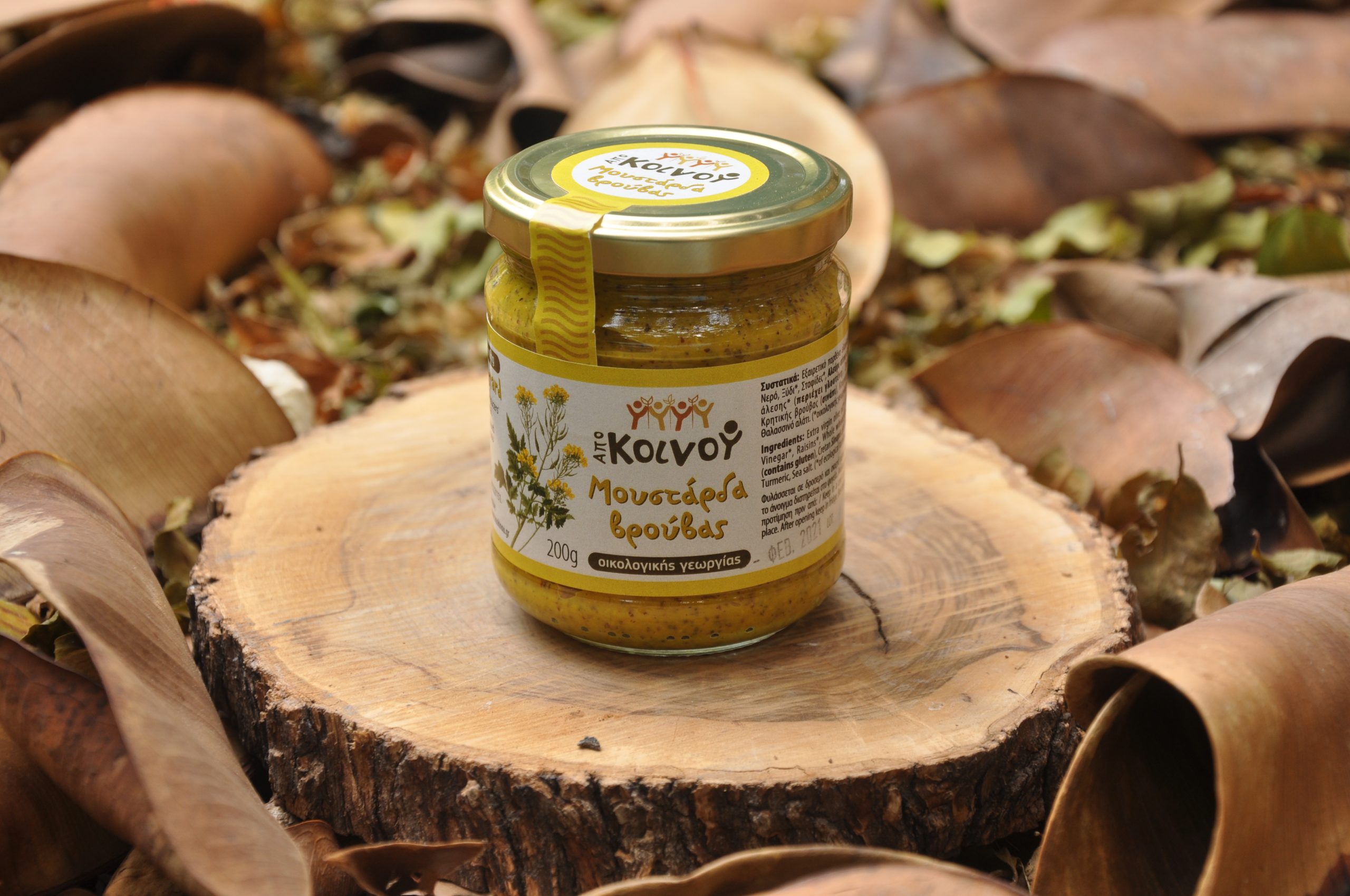
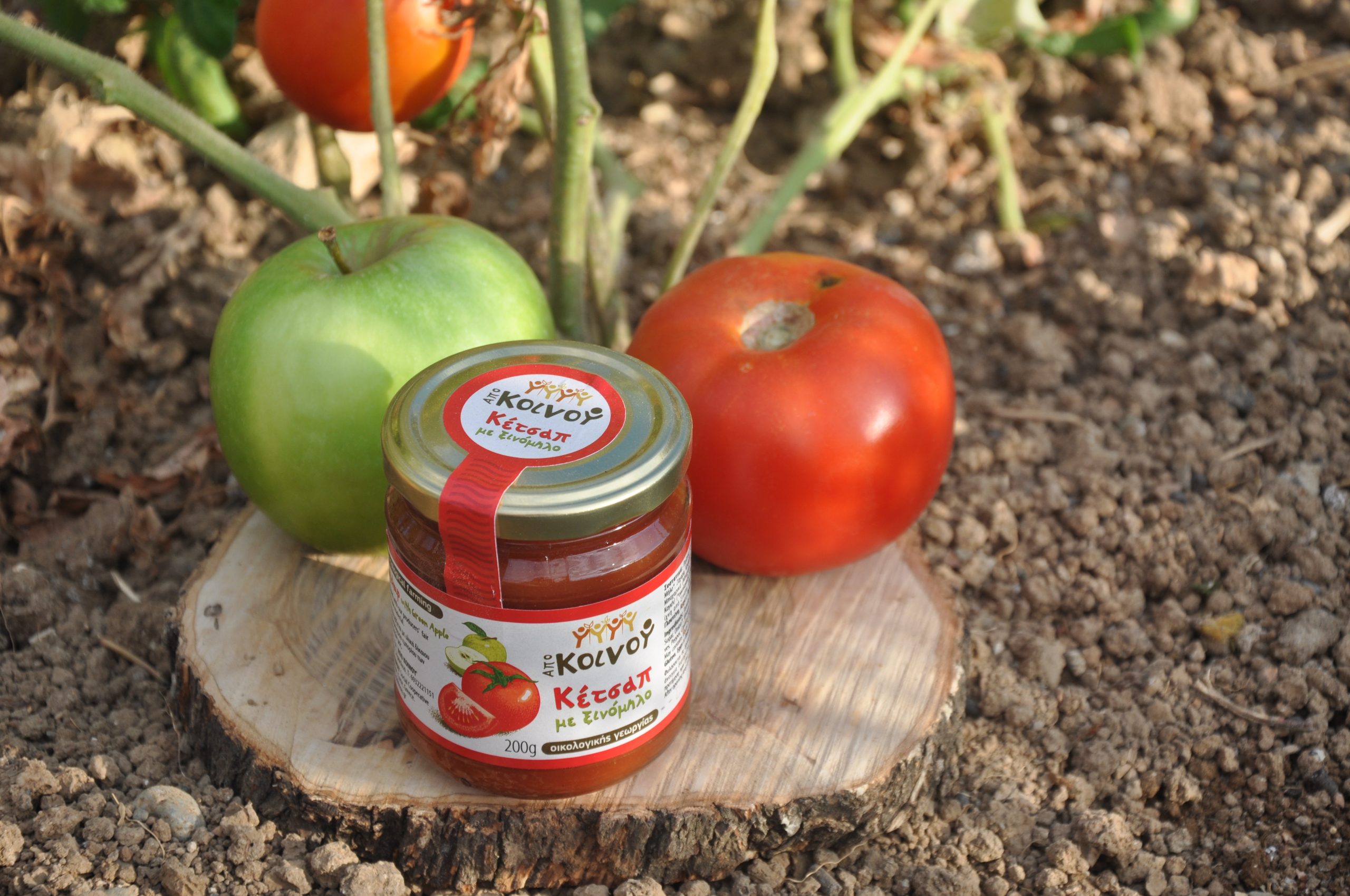
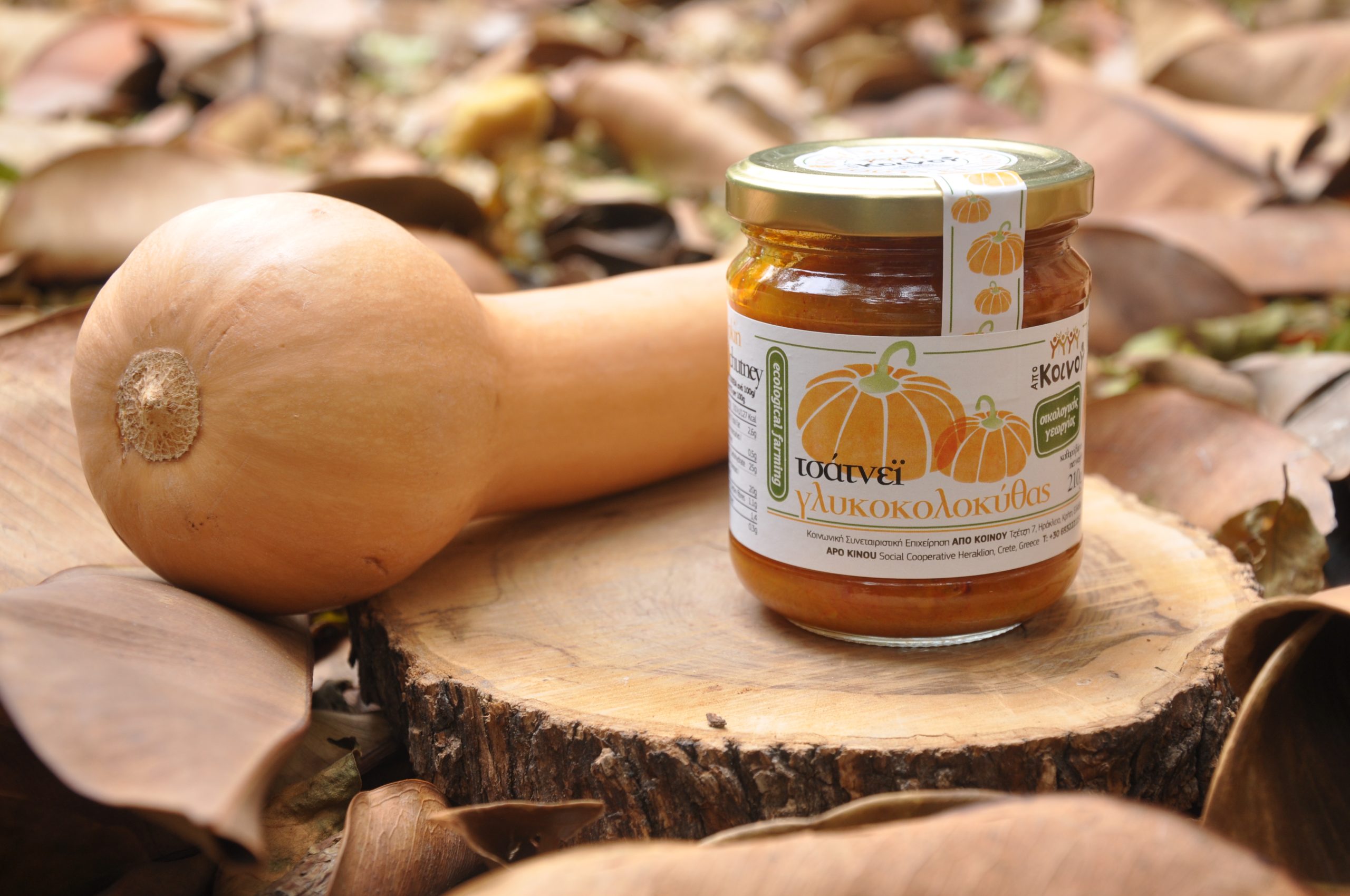
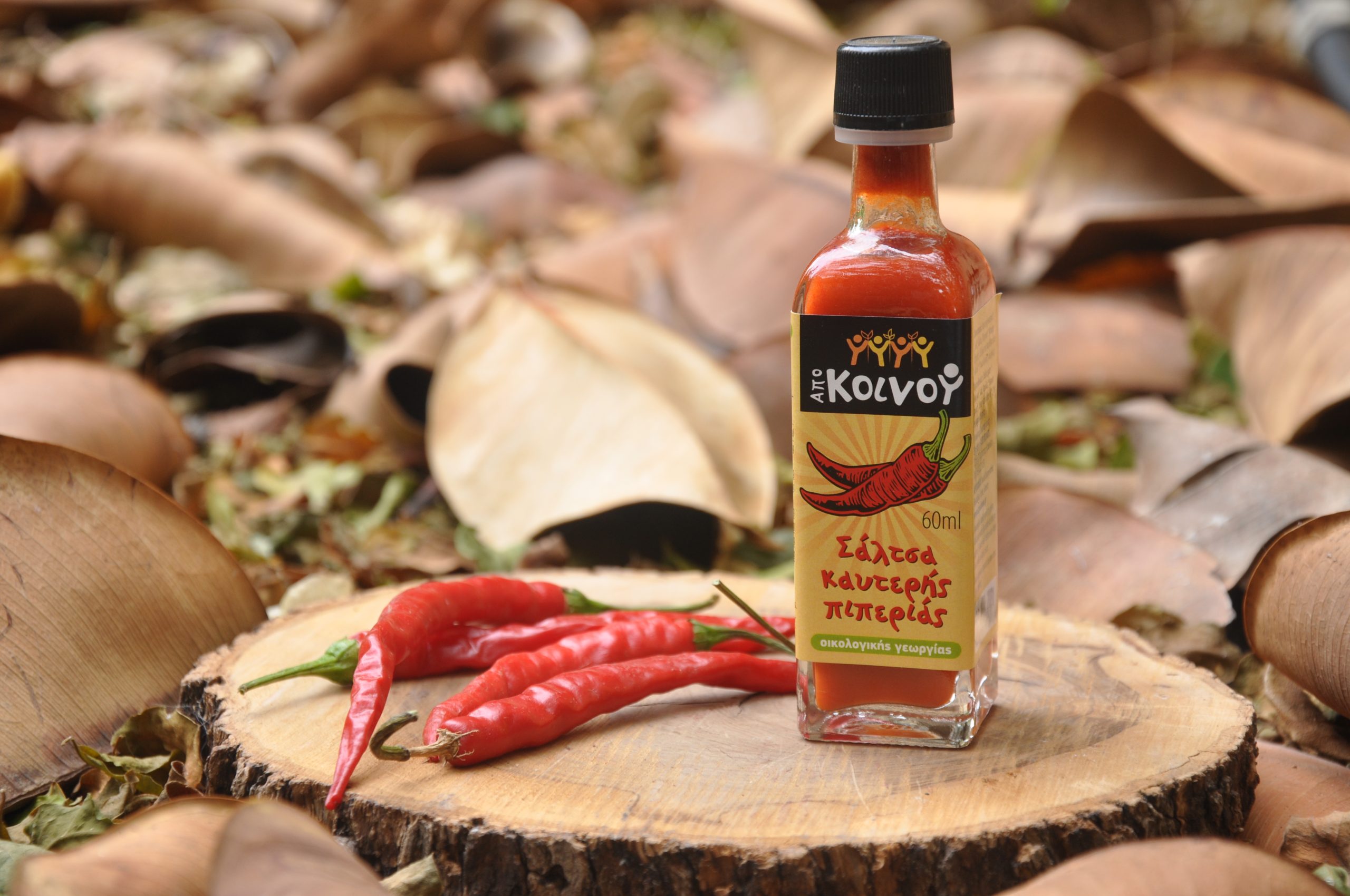
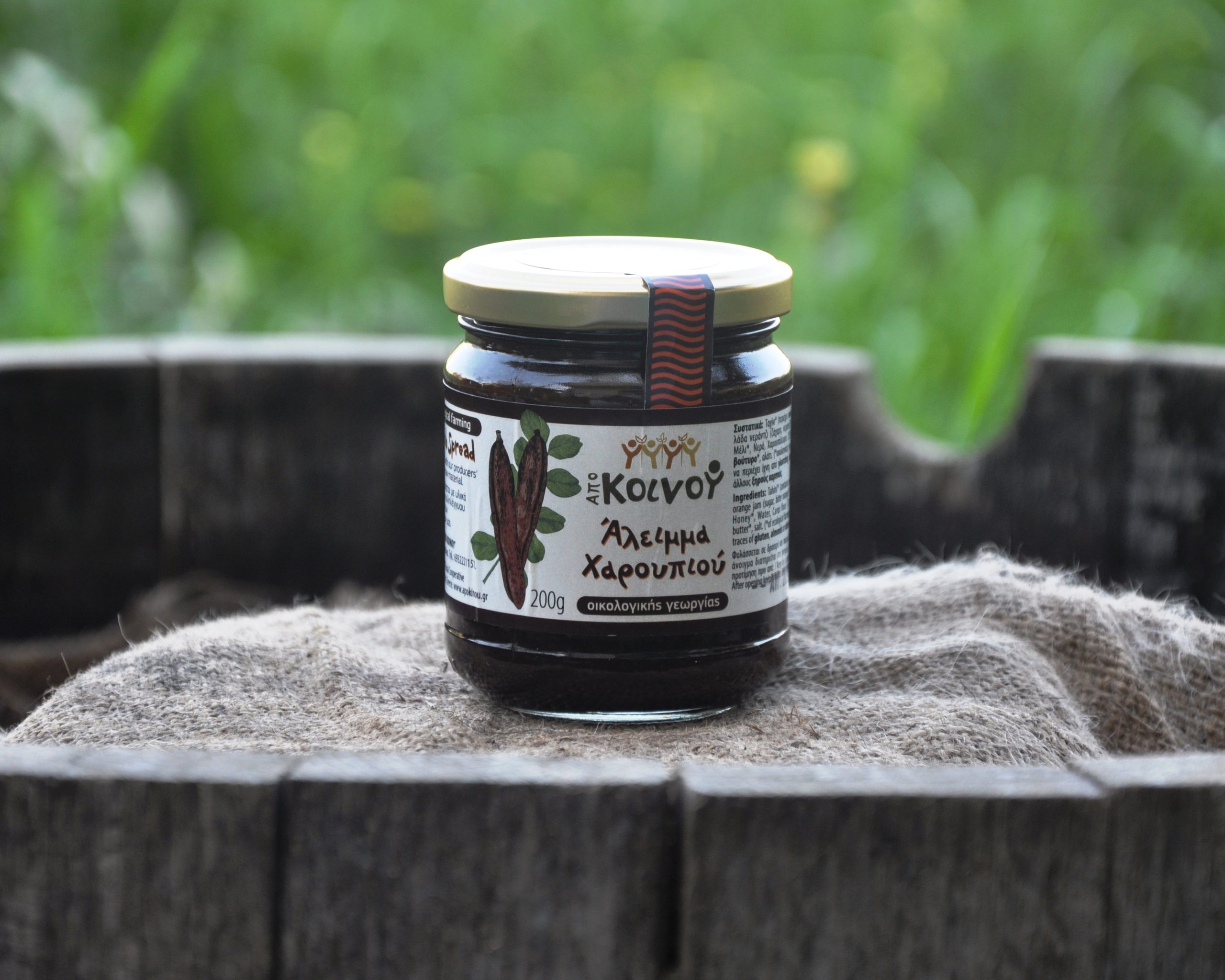
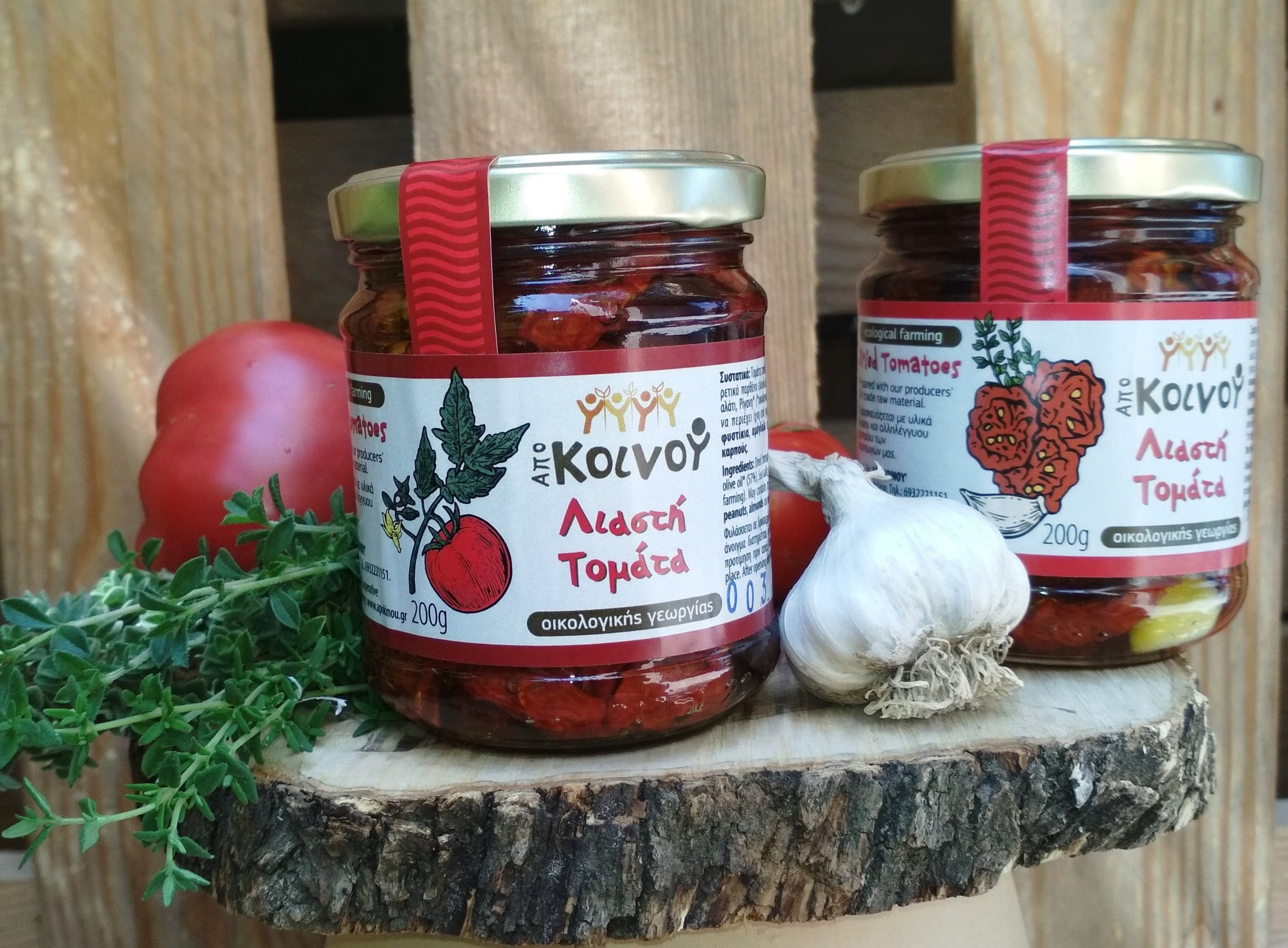
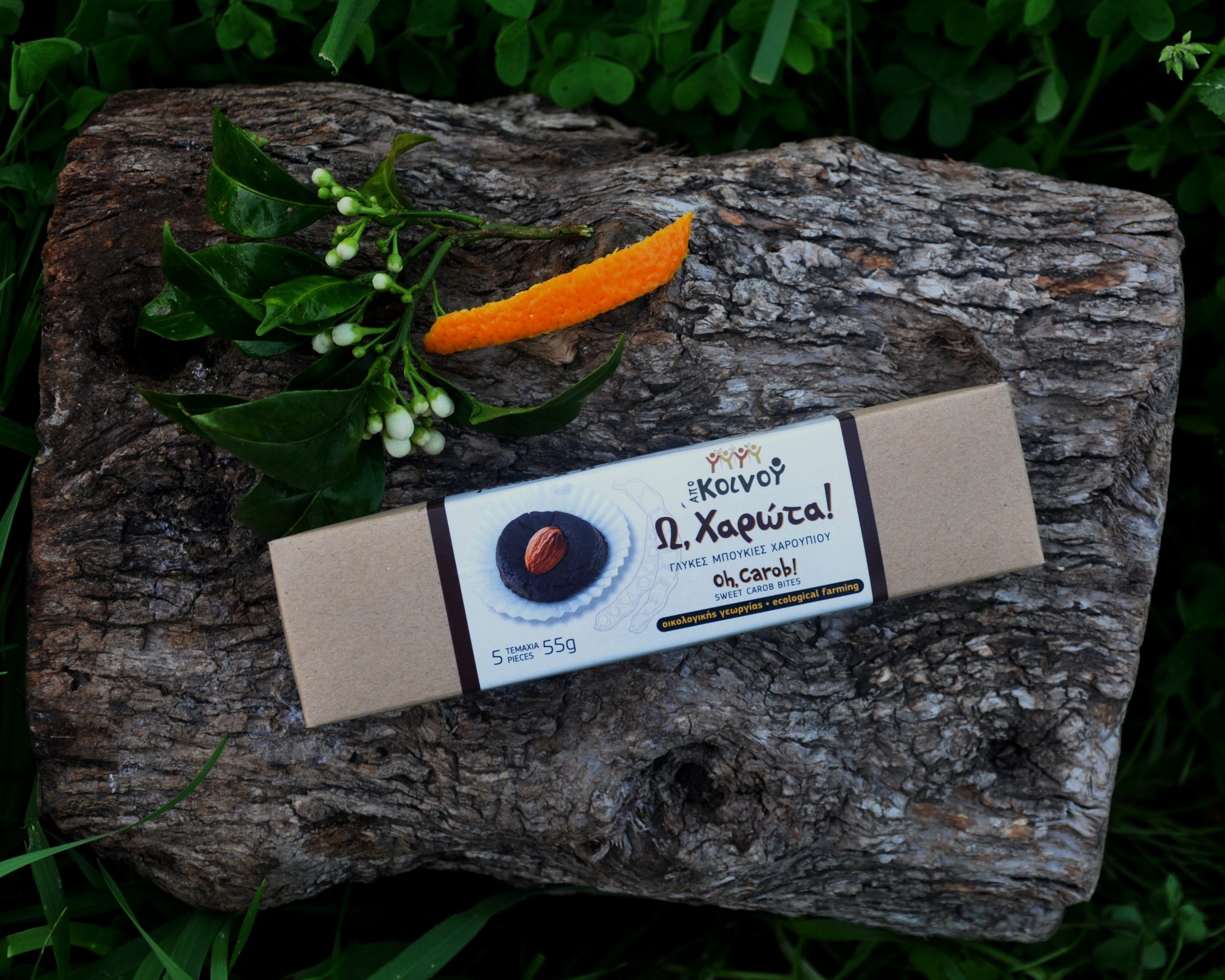
Our production forms the basis for a range of processed products that we create in our workshop, using pure local ingredients, respecting old recipes while also embracing creative experimentation. Among them stand out our unique wild mustard from vrouva (wild radish), hot pepper sauce, sour-apple ketchup, sweet pumpkin chutney, and the traditional Cretan “Migadi” rusk made from whole-grain stone-milled flour. Also prominent are our carob-based sweets, such as carob biscuits, soft sesame bars, the sweet bites “Oh, Carob!”, and our distinctive carob spread.

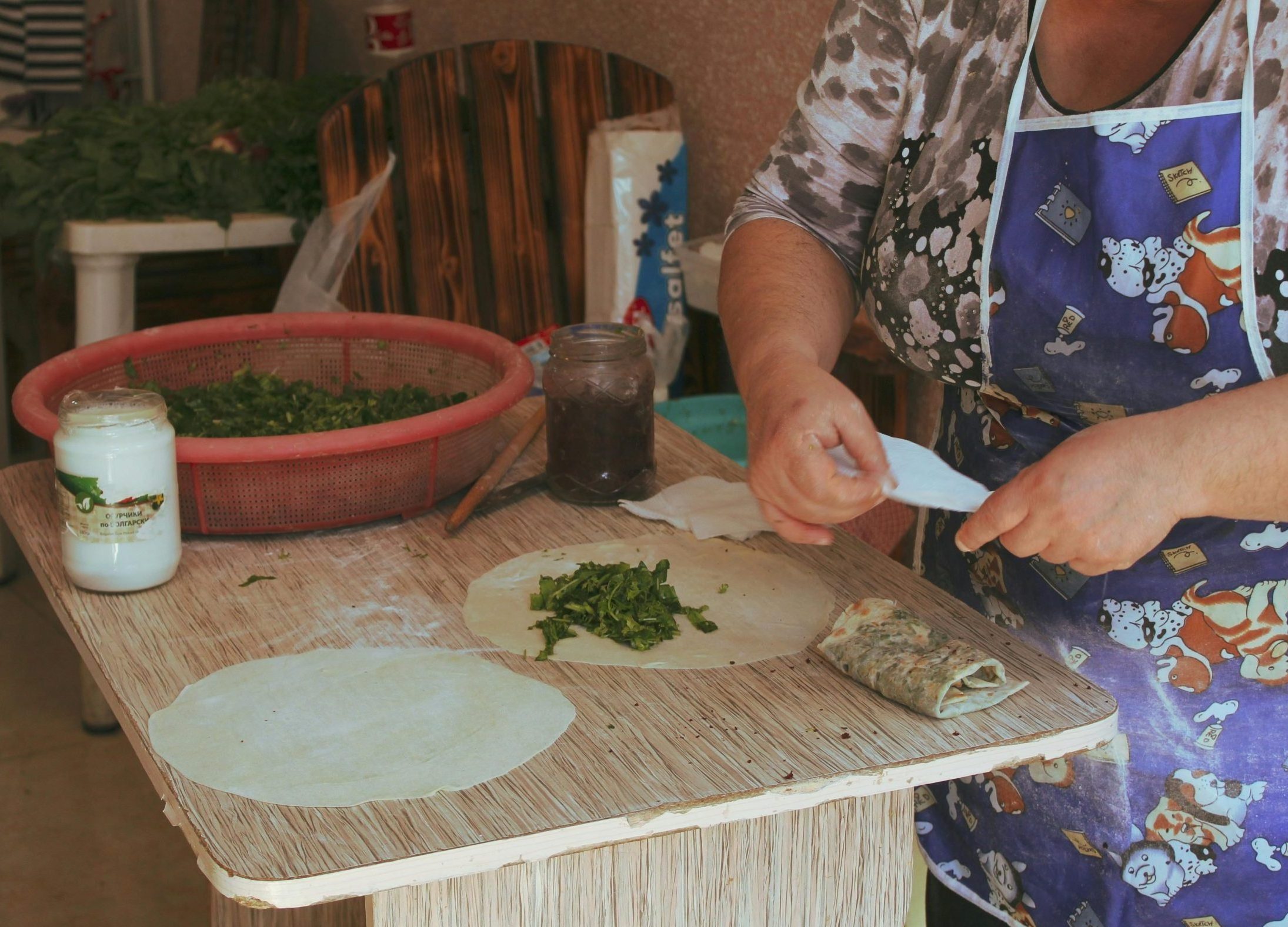
At the same time, we strive to share our daily life, our cooperative way of working, and our production methods with those who visit us. We offer the opportunity to tour the natural-farming fields and olive groves of our members in various regions of Crete, or our processing facility on the outskirts of Heraklion, where visitors can observe or actively participate in the agricultural or processing procedures. During every visit, guests may prepare food using ingredients from the cooperative, sourced directly from the fields—offering a meaningful and authentic connection to the Cretan land and to the values of our Social Cooperative Enterprise.

Where can you find our products?

You can find our products on the shelves of groceries, delicatessens, small shops, open-air markets, and fairs throughout Crete and Greece, at our processing facility, as well as in our online store.
Business Information

Relevant Routes and Trails

Environmental Indicators

CHOOSE DESTINATION

Accessibility

For the Rural Greece accessibility is fundamental to enhancing an inclusive tourism experience. Following the principles of inclusion and equality, the epaithros Rural Tourism Network and its member businesses are constantly working to enhance the tourism services provided, ensuring that all visitors have the opportunity to experience the authentic beauty of the Greek countryside.

Sustainability

Sustainability in tourism refers to a way of developing tourism that respects and protects the environment while strengthening the local economy and preserving cultural traditions. The aim of sustainable tourism is to provide unique and authentic experiences for visitors without harming the natural and social environment, while ensuring that local communities benefit from tourism activity.

This type of tourism is based on three pillars:

  1. Environmental sustainability: preserving the natural landscape and ecosystems, with actions to reduce pollution, energy consumption and waste.
  2. Economic sustainability: supporting local economies, strengthening small businesses and creating jobs, while respecting the region's natural resources.
  3. Social sustainability: respecting local culture and traditions, strengthening social cohesion and ensuring that tourism activities benefit the quality of life of local people.

With sustainable tourism, visitors can have authentic experiences, knowing that the impact of tourism on the region is positive and lasting for future generations.

Locality

For Rural Greece, localism is one of the most important factors for the development of sustainable tourism, as it promotes a strong link between the tourism product and the local society, economy and culture. Through localism, visitors get the opportunity to explore authentic elements of the destination, such as local products, traditions and culture. This not only boosts the local economy, but also helps to sustain and strengthen local businesses, creating new jobs and supporting the development of local communities.

Furthermore, localism contributes to the sustainability of the tourism sector, as it reduces the use of resources from other regions and encourages the use of local goods and services, reducing the ecological footprint of tourism activities. Thus, integrating localism into tourism practices enhances sustainability awareness, both among visitors and local businesses, creating a more responsible and sustainable tourism destination.